Thailand Visa for Indians: Everything You Need to Know!
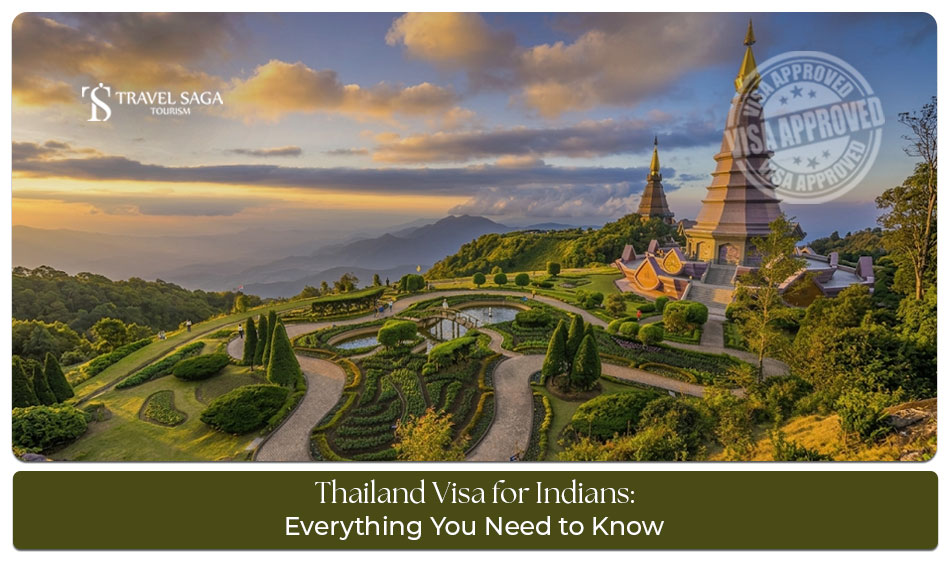
Thailand has always been a favourite escape for Indian travellers, and the entry rules have just become simpler again. If you are planning a trip and wondering about the current Thailand visa for Indians, here is everything you need to know before you pack your bags. From the current visa status of Indians to the mandatory documents and the visa process, this guide will tell you everything about it.
Deciphering the Current Visa Status for Indians
Entry rules for Indian travellers changed more than once in 2026, and it is easy to feel confused. Here is a clear breakdown of the current Thailand visa for Indians status.
What is the 30-Day Visa-Free Scheme?
Under the current policy, Indian passport holders can enter Thailand for up to 30 days without applying for a prior visa and without paying a Visa on Arrival fee. This Thailand visa-free entry makes the Thailand visa for Indians process far simpler, as travellers can walk straight to the immigration counter with just their passport and supporting documents.
Permitted Travel Activities Under This Policy
This exemption is meant strictly for tourism and short-term business meetings, such as conferences or client visits. It does not cover paid employment, long-term study, or any activity that generates income within Thailand.
Why Did Thailand Change the Rules?
Thailand’s Cabinet went through several rounds of changes through mid-2026, briefly proposing a costlier Visa on Arrival category before reversing course and restoring the 30-day exemption. The goal was to curb overstays while keeping entry simple for genuine holidaymakers. Contact us if you would like help tracking the latest updates before you travel.
Mandatory Documents for Hassle-Free Entry
Even with a visa-free scheme, immigration officers expect a specific set of documents at the counter. Missing even one of these can cause delays or, in rare cases, denial of entry.
Passport Validity Requirements
Your passport must remain valid for at least six months from the date of arrival in Thailand. This is a strict requirement, so check your passport expiry before booking flights.
Confirmed Onward or Return Flight Tickets
Immigration officers will ask for proof that you are leaving Thailand within your permitted 30-day window, so a confirmed onward or return flight ticket is mandatory. Avoid booking one-way tickets.
Accommodation and Hotel Bookings
Carry printed vouchers of your hotel bookings for the full duration of your stay. If staying with friends or relatives, a formal invitation letter from your host can work as an alternative.
Proof of Financial Sufficiency
Travellers must show proof of funds equivalent to 10,000 Baht per person or 20,000 Baht per family. This can be cash, though a bank statement or forex card is often accepted too. Common Mistakes to Avoid in Thailand in 2026 include overlooking this requirement, as it is an important part of the Thailand visa from India process that many first-time travellers miss.
The Mandatory Thailand Digital Arrival Card (TDAC)
Every traveller must now complete the Thailand Digital Arrival Card online within 72 hours of departure. It is free, takes just a few minutes, and generates a QR code that immigration staff scan on arrival, replacing the old paper arrival forms. Those exploring an International visa from India for other Southeast Asian destinations will notice similar digital systems becoming the norm.
Step-by-Step Guide: What to Expect at Immigration?
Knowing what happens at the airport can make your arrival far smoother, especially on a first trip.
Navigating the Airport Arrival Gates
Once you land, follow the signs toward the Visa Exemption or Immigration lanes, separate from the queues for Thai nationals. Keep your passport, TDAC QR code, and printed documents easily accessible. Travellers booking Thailand tour packages from India through an agent are usually briefed in advance on exactly which counter to head to.
Enquire - Thailand tour packages from India
The Immigration Interview and Passport Stamping
At the counter, the officer may ask a few quick questions about your purpose and duration of stay. Present your documents promptly. Once cleared, check the expiration date stamped on your passport, since this marks the last day you are legally permitted to stay.
Options for Longer Stays (Beyond 30 Days)
Thirty days is not always enough, especially for travellers combining leisure with work. Fortunately, there are a few reliable ways to extend your stay.
How to Extend a Visa-Free Stay in Thailand?
Tourists can extend their visa-free stay by an additional 30 days by visiting a local immigration office and paying a fee of 1,900 THB, without needing to leave the country.
Applying via the Official Thailand E-Visa Portal
If you already know you need more time, apply for a Thailand e-Visa through the official government portal before travelling. This pre-approved route suits travellers with longer, pre-planned itineraries better than the standard Thailand visa for Indians exemption. International tour packages from India often bundle in guidance on this step for multi-country Southeast Asia trips.
Alternative Visas: The Destination Thailand Visa (DTV)
For remote workers, freelancers, and digital nomads, the Destination Thailand Visa is worth exploring. This long-term visa is valid for up to five years and allows extended stays for those who wish to live and work remotely from Thailand. About us and our travel experts can help you decide which visa route fits your travel style best.
Conclusion
Travelling to Thailand as an Indian citizen has genuinely become easier, with a straightforward 30-day visa-free window, no upfront fees, and a simple digital arrival process. Keep your documents ready and complete your TDAC on time, and your trip should go off without a hitch. Ready to plan your getaway? Head over to Travelsaga.com and let our team put together a seamless Thailand itinerary for you, from flights and stays to everything in between.
FAQs
Q. Do Indian citizens need to pay a fee to enter Thailand under the current visa-free policy?
No. Indian passport holders can currently enter Thailand for up to 30 days without paying any visa fee or Visa on Arrival charge, as long as the visit is for tourism or short-term business.
Q. Can I extend my 30-day visa-free stay while I am still inside Thailand?
Yes. You can visit a local immigration office in Thailand and extend your stay by an additional 30 days for a fee of 1,900 THB, without needing to leave the country.
Q. Is it mandatory to carry physical cash to prove my financial sufficiency to immigration officers?
While cash is the most commonly accepted proof, immigration officers may also accept bank statements, forex cards, or other documents showing sufficient funds. It is still wise to carry some cash as a backup.
Q. Does the 30-day visa exemption apply if I enter Thailand via a land border checkpoint?
Yes, the exemption applies at land border checkpoints too, but entries through land crossings are capped at a limited number per calendar year, so frequent border-run travellers should plan accordingly.
Q. What should I do if my primary purpose of travel is remote work or long-term medical treatment?
For remote work, the Destination Thailand Visa (DTV) is the better option, as it is designed for digital nomads and offers a much longer validity. On the other hand, long-term medical treatment, a Thailand e-Visa or a dedicated medical visa is more appropriate than the standard visa-free entry. For more related queries, you can reach out to our Frequently Asked Questions page.