
Top Reasons UAE Tourist Visa Applications Get Denied
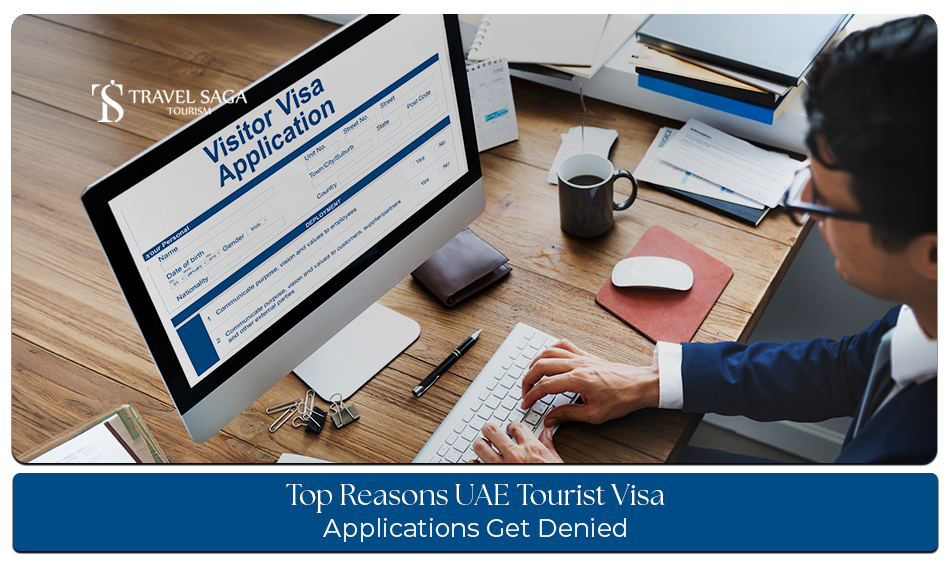
The United Arab Emirates (UAE) is a global hub for tourism, business, and luxury. From the architectural marvels of Dubai to the cultural heart of Abu Dhabi, millions of travellers flock to the Emirates every year. While the UAE has streamlined its visa process significantly with e-visas and visa-on-arrival for many nationalities, the application process is not a mere formality. The Federal Authority for Identity, Citizenship, Customs & Port Security (ICP) and the General Directorate of Residency and Foreigners Affairs (GDRFA) maintain strict protocols to ensure national security and regulatory compliance.
Receiving a visa rejection can be both frustrating and expensive, as visa fees are generally non-refundable. Understanding why applications are turned down is the first step toward a successful re-application. Below is a comprehensive deep dive into the most common reasons for UAE tourist visa denials.
Top Reasons Why Your UAE Tourist Visa Gets Rejected
Errors in Personal Documentation and Data Entry
The most common reason for rejection is surprisingly simple: clerical errors. The UAE immigration system is highly automated, and even a minor discrepancy can trigger an automatic denial.
- Name Mismatches: If the name entered on the application form does not exactly match the name on the passport (including middle names or initials), the application will be rejected. Before submitting your Dubai Visit Visa application, double-check every detail carefully.
- Typographical Errors: Misspelling a passport number, date of birth, or passport expiry date are frequent pitfalls.
- Blurry Document Copies: Digital copies of passports and photographs must be high-resolution and clear. If the MRZ (Machine Readable Zone) at the bottom of the passport is obscured or blurry, the system cannot verify the identity, leading to a rejection.
Passport Validity Issues
A standard rule across international travel, which is strictly enforced in the UAE, is the 6-month validity rule. If your passport is set to expire in less than six months from the date of your intended entry into the UAE, your visa application will almost certainly be rejected. Additionally, handwritten passports are no longer accepted by UAE immigration; your travel document must be machine-readable.
Travellers planning longer stays should also ensure their passport validity aligns with their 60-day Dubai visit visa duration to avoid unnecessary complications.
Previous Unused Visas
Many travellers apply for a UAE tourist visa, receive it, but then cancel their plans without entering the country. If you have a previously approved visa that has not expired or was never “cleared” from the system, a new application will be blocked. You must request your travel agent or sponsor to cancel the previous visa in the immigration system before applying for a new one. If you are planning a short stopover in the UAE, applying for a transit visa instead of a full tourist visa may be a more suitable option. You can come
Unclear Criminal Record or Security Flags
The UAE places a high priority on national security. If an applicant has a name that matches someone on a blobklist or if they have a prior criminal record within the UAE, the visa will be denied. Sometimes, this happens due to “name-matching” errors where an innocent person shares a name with a restricted individual. In such cases, further verification and legal intervention may be required.
Pro Tip: If you have previously been deported from the UAE or were involved in a legal dispute (even a financial one like an unpaid loan or credit card), ensure you have a “Clearance Certificate” before applying for a new visa.
Professional and Demographic Red Flags
Immigration officers look for “intent to return.” Certain factors might lead them to believe a visitor intends to overstay and seek illegal employment:
- Unskilled Profession: Applicants who list their profession as “labourer” or other unskilled categories on their passports may face higher scrutiny or rejection if they cannot prove their tourist intent.
- Age Factors: Historically, some visa categories for single travellers under the age of 22–25 (depending on nationality) have faced higher rejection rates unless they are travelling with family.
- Gender-Based Restrictions: In specific cases, solo female travellers under a certain age may face difficulties or require additional documentation to ensure they are legitimate tourists.
Booking verified Dubai Tour Packages with return itineraries and accommodation details can sometimes help strengthen your travel intent. Choosing an experienced travel partner can make the application process much smoother, and travellers can learn more through the About us page before applying for their UAE visa.
Overstaying on a Previous Visit
If you have visited the UAE before and overstayed your visa, your details are logged in the immigration system. An overstay often leads to a temporary or permanent ban, or at the very least, an automatic rejection of future tourist visa applications. Even if you paid the fines upon your last departure, the record of the overstay remains a significant red flag. Travellers opting for a 30 days Dubai visit visa should carefully track their exit dates to avoid future travel restrictions.
Incomplete or Inaccurate Sponsorship Details
Most UAE tourist visas are sponsored by an airline (like Emirates or Etihad), a hotel, or a travel agency. If the sponsoring entity has a poor track record with immigration, it can negatively affect your application. Similarly, if you are being sponsored by a resident relative and the relationship documentation is weak, the visa might be denied. In urgent travel situations, choosing an Urgent Dubai visa can help ensure documentation is submitted correctly and on time.
Technical Glitches and “Name Matching”
The UAE uses a sophisticated electronic security system. Sometimes, a visa is rejected simply because the applicant’s name is very common. When the system finds hundreds of matches, it may trigger a “Security Check” (often referred to as a “Security Hit”). While this is not a permanent rejection, it requires the applicant to provide additional proof of identity, such as:
- Birth certificate
- Parent’s passport copy
- Additional identification documents
If your application is delayed due to additional verification requirements, you can Contact Us for professional guidance and documentation support.
Mistakes in Photograph Specifications
The UAE immigration authorities have strict photo requirements:
- A white background is mandatory
- No spectacles or headgear (unless for religious reasons)
- The face must cover 80% of the frame
- The photo must be recent (usually taken within the last six months)
Using a cropped social photo or selfie can lead to immediate rejection.
To improve your chances of visa approval, explore Everything You Want to Know about Dubai Visit Visa, your complete guide to Dubai visa requirements and application guidelines.
Conclusion
A UAE visa rejection can feel disappointing. But in most cases, it happens because of avoidable errors like incorrect documentation, passport issues, or incomplete information. By understanding the common red flags and preparing your application carefully, you can significantly improve your chances of approval. Want a smoother and stress-free visa process? Visit travelsaga.com for expert visa assistance, accurate documentation support, and reliable travel services that help you avoid costly mistakes. Apply smarter and travel with confidence! Get directions to our office.