
North vs South Mauritius: Which Side Should You Stay On?
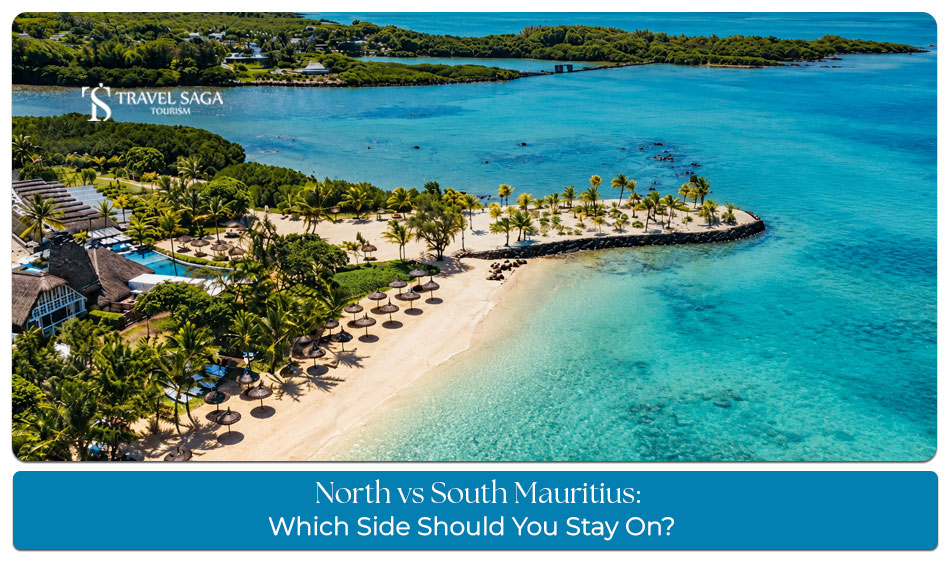
Picking a base is the first big decision of any island holiday, and North vs South Mauritius is the debate almost every traveller runs into. The north is lively, polished and easy to enjoy. The south is quiet, green and dramatic. Neither wins on every count, but one will suit your style better. This guide covers the atmosphere, beaches, activities, weather, stays and transport, so you know where to stay in Mauritius before you book.
North Mauritius: The Lively Hub of Beaches & Nightlife
The north is where Mauritius shows off. Calm lagoons, busy promenades and plenty of restaurants make it the easiest region to settle into. If you are comparing a Mauritius tour package from UAE, most plans start here, since hotels, activities and eateries sit close together.
Enquire - Mauritius tour package from UAE
The Vibe and Atmosphere
Grand Baie is the heart of the north, and it rarely sleeps. Evenings bring sunset strolls along the bay, boats rocking in the harbour and street food carts doing steady business. Days are for swimming, sailing and long lunches. The pace is sociable rather than hectic, and you seldom need more than a short walk or taxi ride to find something to do. Villages like Pereybere and Cap Malheureux add a calmer, more local flavour, so the north is not only about crowds.
Best Beaches in the North
Each beach in the north has its own personality, and a short taxi ride connects all three. If you are building a wider list of the best beaches in Mauritius, our Discover the Magic of Mauritius: A Travel Guide is a helpful place to start.
- Grand Baie: A sheltered, lively bay with calm and shallow water. Kayaks, paddleboards and boat trips leave from here, and cafés sit just steps from the sand. It suits travellers who want activity and convenience over peace and quiet.
- Trou aux Biches: Soft pale sand, shade from casuarina trees and clear water make this one of the prettiest stretches on the island. The reef close to shore is ideal for snorkelling, and the shallow lagoon is gentle enough for small children. Sunsets here are worth staying for.
- Mont Choisy: A long, open ribbon of fine white sand that feels roomier than Grand Baie. It is a favourite for morning walks, picnics and lazy afternoons, and small food trucks nearby serve snacks and cold drinks.
Things to Do: Shopping, Dining, and Nightlife
Shopping in the north is casual and fun. You can browse souvenir stalls, pick up tailored linen shirts and wander through modern malls in Grand Baie. Dining is a highlight, from octopus curry and dholl puri to grilled fish served right by the water. After dark, beach bars and clubs keep the energy up until late. Catamaran trips to nearby islets fill the daytime hours. Travellers who want a plan built around these activities can learn how we work on our About us page.
Who is the North Best For: Families, Foodies, Social Travellers
Families like the shallow lagoons and the resorts geared to children. Foodies get variety without leaving the neighbourhood. Social travellers enjoy meeting people at bars, markets and boat trips. If you want everything within reach and minimal planning, the north delivers.
South & Southwest Mauritius: The Wild, Rugged Nature Paradise
The south feels like another island. Cliffs meet crashing waves, forests roll into the hills and villages stay sleepy. It rewards travellers who prefer scenery over schedules and are happy to slow down.
The Vibe and Atmosphere
Life here moves gently. You will find fewer shops, fewer crowds and far more silence. Mornings start with birdsong, and evenings are for watching the sun sink behind Le Morne. Restaurants are scattered rather than clustered, so meals tend to be an occasion. The mood is peaceful and a little wild, and many visitors find it resets their nerves within a day or two.
Natural Wonders & Adventure (Black River Gorges, Chamarel, Le Morne)
Black River Gorges National Park offers forest trails, waterfalls and rare birds, with viewpoints that make the climb worthwhile. Chamarel is famous for its Seven Coloured Earths and a tall waterfall nearby. Le Morne Brabant, a UNESCO-listed mountain, rises above a beach popular with kitesurfers, and the hike to the top rewards you with wide ocean views. Sturdy shoes and water are essential, and our Mauritius Travel Tips for Tourist cover what else to pack for these outdoor days.
Best Beaches in the South
The southern coast is wilder and less developed than the north. The beaches here are about scenery and space, though conditions vary a lot from one spot to the next.
- Blue Bay: A protected marine park with turquoise water, coral gardens and calm conditions. Snorkelling is excellent, and glass-bottom boat rides let non-swimmers see the reef too. It is the safest and most swimmer-friendly beach in the south.
- Bel Ombre: A quiet, green shoreline backed by hills, nature reserves and golf estates. The mood is peaceful and private, which makes it good for long walks and slow mornings. Check the swimming conditions locally, as they change along the coast.
- Gris Gris: Black volcanic cliffs, pounding waves and strong currents give this spot real drama. It is made for photos and viewpoints, not for swimming. Stay behind the safety barriers and treat it as a scenic stop.
Who is the South Best For: Hikers, Couples, Off-the-Beaten-Path Explorers
Hikers get trails and waterfalls. Couples find privacy, and many treat the region as a Mauritius honeymoon favourite thanks to its secluded villas and romantic cliffside dinners. Explorers who dislike crowds will enjoy the empty roads and hidden coves. If you are unsure which style suits you, use our Contact us page and we will help you decide.
Head-to-Head Comparison: Key Factors
When weighing North vs South Mauritius, a few practical differences matter more than pretty photos. Weather, stays, and transport can shape your trip as much as the scenery, so here is how the two regions compare.
Weather and Climate: Where is the Best Sun?
The north is generally drier and sunnier, with calmer seas for much of the year. The south gets more rain and stronger winds, which keeps it greener but sometimes cloudier. Cyclone season runs roughly from January to March and can affect either coast. Timing matters more than region, so check the Best Time to Visit Mauritius before choosing your dates.
Accommodation: Luxury Resorts vs. Local Airbnbs
The north offers the widest mix, from large resorts to modest apartments and guesthouses, often near shops and restaurants. The south leans toward high-end resorts around Bel Ombre and Le Morne, plus boutique villas and private Airbnbs tucked into quiet villages. Budget travellers will find more affordable choices up north. Couples wanting seclusion may prefer the south. Either way, think about your daily routine when deciding where to stay in Mauritius.
Transport and Getting Around: Driving vs. Public Transit
Getting around the north is easy, since taxis, buses and walking cover most needs. The south is more spread out, and public buses run less often, so a rental car or private driver is worth considering. Cars drive on the left, and roads are decent but narrow in places. Our Transportation Guide in Mauritius explains fares, routes and rental tips in detail.
Can You Do Both? How to Split Your Itinerary
Yes, and many travellers do. The island is small enough that switching sides takes only a couple of hours. A little planning helps you enjoy the best of each region without wasting days on the road. Before you lock in dates, check the Mauritius visa from UAE requirements so nothing delays your Mauritius itinerary.
The Ideal 7-Day to 10-Day Split Plan
With seven days, spend four in the north and three in the south. With ten days, split it evenly at five and five, or add a night in the west near Le Morne for sunsets. Start in the north if you want a lively arrival, and finish in the south for a quiet ending. This kind of Mauritius itinerary balances energy and rest. If you want ready-made options for the trip, browse our International tour packages from UAE.
Day Trips: How Easily Can You Travel Between North and South?
Drives between the two regions usually take between one and two hours, depending on traffic and your exact stops. That makes day trips realistic. From Grand Baie, you can reach Chamarel or Port Louis in a single outing. Still, many visitors find that changing hotels saves time and stress. When comparing North vs South Mauritius, this flexibility means you rarely have to choose only one. Remember that entry rules apply to every traveller, so review the International visa from UAE details before departure.
The Verdict: Choosing Your Perfect Side
Choose the north if you want nightlife, shopping and easy days by the lagoon. Choose the south if you want hiking, privacy and wild scenery. If you can spare a week or more, combine both and get the full picture. The North vs South Mauritius question really comes down to the pace you want, and there is no wrong answer.
Ready to plan your trip? Visit Travelsaga.com to explore tailored packages, get expert advice and book your Mauritius getaway with confidence.
FAQs
Q. Which side of Mauritius has the best weather?
The north is usually the sunniest and driest, with calmer seas, which suits beach holidays. The south gets more rainfall and wind, keeping it lush but less predictable. Cyclone season, from January to March, can affect the whole island, so pick your travel dates carefully, whichever side you choose.
Q. Is it easy to travel from the North to the South of Mauritius?
Yes. The island is small, and the drive generally takes one to two hours depending on traffic. You can use taxis, private drivers or a rental car. Buses exist but are slower and less frequent, so most visitors prefer a private transfer or self-drive for convenience.
Q. Which part of Mauritius is best for a honeymoon?
The south and southwest are popular with honeymooners because of their privacy, dramatic scenery and luxury resorts. Bel Ombre and Le Morne offer romantic dinners and secluded villas. The north also suits couples who want lively evenings, restaurants and easy access to water activities.
Q. Which side of Mauritius has the best beaches for swimming?
The north is better for swimming, thanks to sheltered lagoons and calm, shallow water at Trou aux Biches, Mont Choisy and Grand Baie. Some southern beaches, like Blue Bay, are also safe, but others, such as Gris Gris, have strong currents and are not suitable for swimming.
Q. How many days do you need in Mauritius to see both sides?
Seven days is the minimum for a comfortable split, with about four days in the north and three in the south. Ten days is ideal, letting you explore each region slowly without rushing. Shorter trips work better if you focus on just one side of the island. For more information, please refer to the FAQs section.