
The Ultimate Kenya Travel Checklist for UAE Travellers (2026 Guide)
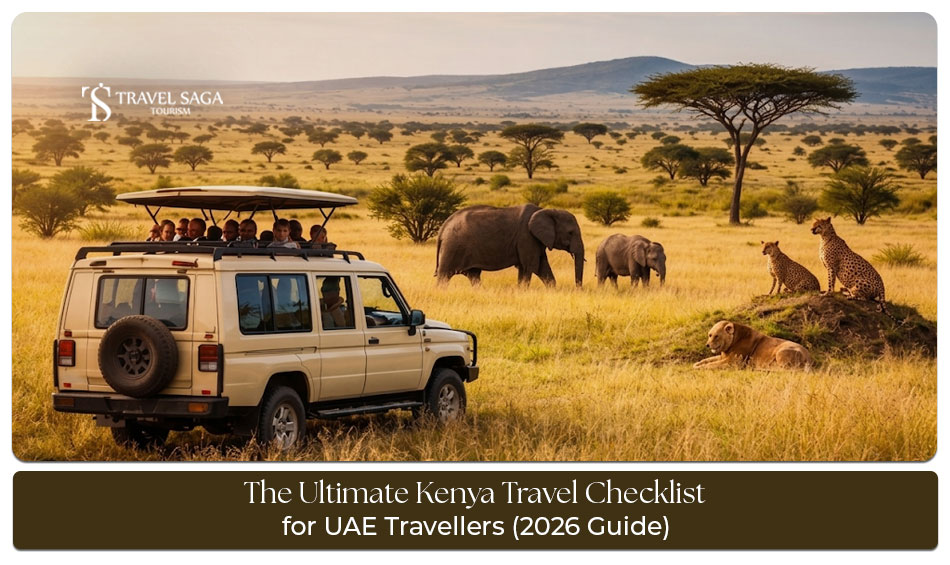
Planning a Kenya holiday from the UAE is exciting, but overlooking one small detail—like visa requirements, vaccinations, or safari packing—can quickly turn into a travel headache. Whether you are heading out for a thrilling wildlife adventure or a relaxing coastal escape, proper preparation is key to an unforgettable journey. This complete checklist is designed to help you prepare confidently from booking to boarding, ensuring your trip runs smoothly every step of the way.
Before You Book: The First Things to Check
Before you make any non-refundable payments or lock in your travel dates, a few critical checks will save you time and money. Here are the foundational steps to take before booking your holiday:
- Passport Validity: Ensure your passport has at least 6 months of validity left from your planned arrival date in Kenya, along with at least two blank pages for entry stamps.
- eTA Requirements: Kenya has transitioned to an Electronic Travel Authorisation (eTA) system. Check the Kenya entry requirements for UAE residents early so you can gather all necessary digital documents.
- Best Time to Visit: If you want to see the Great Migration in Masai Mara, plan your visit between July and October. For dry weather and excellent general game viewing, January to March is ideal.
- Budget Expectations: Factor in flights from Dubai or Abu Dhabi, park entry fees, lodge accommodations, guided safari vehicles, and daily tips.
- Safari vs. Beach Combination: Decide whether you want an intense wildlife-focused trip or a split itinerary featuring both the savannah and the white sands of Mombasa or Diani Beach.
If you are currently evaluating your options, International tour packages from UAE offer convenient, structured itineraries that simplify early planning.
Build Your Kenya Trip Essentials
Organising your trip essentials into easy categories ensures nothing important gets left behind at home.
Travel Documents
Keep digital and physical copies of all your critical documents in a dedicated travel folder:
- Valid passport
- Approved eTA confirmation printout
- Round-trip flight tickets showing entry and exit from Kenya
- Confirmed hotel and safari lodge bookings
- Comprehensive travel insurance policy covering medical emergencies and safari activities
Money & Connectivity
Managing payments and communication smoothly while abroad is essential:
- Currency: Carry US Dollars (printed in 2013 or newer) for major tourist expenses, and convert some to Kenyan Shillings (KES) for local markets and tips.
- International Cards: Visa and Mastercard are widely accepted in urban hotels and safari lodges.
- Mobile SIM/eSIM: Buy a local Safaricom eSIM or SIM card upon arrival for reliable mobile data in cities and major reserves.
- Offline Maps: Download regional offline maps on your phone before embarking on game drives.
If you want to know more about planning your daily budget, then make sure you read Kenya Safari Cost in 2026: What Travellers Should Expect.
Health Essentials
Stay healthy and protected throughout your journey:
- Vaccinations: Check required and recommended shots, including Yellow Fever (mandatory if arriving from or transiting through endemic areas).
- Personal Medication: Pack a sufficient supply of your prescription medicines in original packaging.
- Insect Repellent: Bring a strong repellent containing DEET to guard against mosquitoes.
- Basic First-Aid: Pack plaster bandages, antiseptic wipes, motion sickness pills, rehydration salts, and anti-diarrhoeal medication.
To get a complete overview of regional travel requirements, explore International Visa from UAE for tailored assistance.
What Should You Pack for Kenya?
Packing for a trip to East Africa requires versatility. Organise your luggage around the activities you will be enjoying.
For Safari Days
- Neutral-coloured clothing (khaki, tan, beige, or olive green) to blend into the natural surroundings.
- Lightweight, breathable long-sleeve shirts and trousers for sun protection and insect prevention.
- A fleece jacket or windbreaker for crisp early morning and late afternoon game drives.
- Comfortable closed-toe walking shoes or light hiking boots.
- Wide-brimmed sun hat, polarised sunglasses, and high-SPF sunscreen.
If you want to know more about organising your entire wildlife itinerary, then make sure you read The Ultimate Kenya Safari Travel Guide.
For City Sightseeing
- Casual, comfortable smart-casual outfits for dining in Nairobi or Mombasa.
- Modest clothing covering shoulders and knees when visiting local cultural sites or markets.
- Lightweight raincoat or umbrella if travelling during transitional weather periods.
For Beach Destinations
- Swimwear, cover-ups, and beach towels for coastal resorts.
- Flip-flops or water shoes for coastal walking.
- Breathable linen or light cotton outfits for tropical humidity.
If you are planning an end-to-end itinerary from the Gulf region, then checking Kenya tour packages from UAE helps streamline transportation and lodging arrangements.
Enquire - Kenya tour packages in UAE
Your 2026 Kenya Travel Readiness Checklist
Use this quick checklist to track your preparation progress before departure:
| Before You Fly | Done? |
| Passport valid for required period | ✅ |
| Visa/eTA approved | ✅ |
| Flights confirmed | ✅ |
| Accommodation booked | ✅ |
| Travel insurance purchased | ✅ |
| Safari booked | ✅ |
| Vaccinations checked | ✅ |
| Currency/cards ready | ✅ |
Small Things That Make a Big Difference in Kenya
Minor adjustments to your preparation can turn a good holiday into a hassle-free trip:
- Carry Binoculars: Sharing one pair in a safari vehicle means missing quick animal sightings; bring your own dedicated pair.
- Avoid Bright or Dark Colours: Avoid bright neon colours on game drives, as well as dark blue or black clothing, which can attract tsetse flies in rural areas.
- Pre-download Maps and Documents: Remote reserves often have limited network coverage; save all offline maps and voucher PDFs locally on your phone.
- Expect Intermittent Signal: Use safari time as a chance to unplug, as cellular networks inside national parks can be patchy.
- Keep Small Cash Handy: Having small denominations of KES or USD makes tipping drivers, rangers, and lodge staff quick and convenient.
- Bring a Universal Adapter: Kenya uses Type G electrical sockets (three rectangular pins), identical to the UAE, but having an adapter with multiple USB slots is very helpful.
If you are comparing different East African destinations, then make sure you read Kenya Safari vs Tanzania Safari: Key Differences Every Traveller Should Know.
Common Mistakes UAE Travellers Make
Avoiding these frequent errors will make your travel experience far smoother:
- Underestimating Travel Times: Distances between national parks look short on a map, but rough roads mean journeys take longer than expected.
- Packing Bright Clothing: Wearing bright red, yellow, or white on game drives makes you stand out to animals and can distract wildlife.
- Forgetting Travel Insurance: Medical facilities in remote reserves are far apart; comprehensive emergency medical evacuation coverage is vital.
- Exchanging All Money at Airports: Airport currency exchange counters offer lower rates; exchange smaller amounts or use ATMs in major towns.
- Booking Internal Flights Late: Bush planes between Nairobi and park airstrips have limited seats and strict luggage weight limits (often 15 kg in soft bags); book early.
- Assuming Safari Weather is Always Hot: Savannah mornings and evenings can get surprisingly cold, especially in elevated parks like Masai Mara or Aberdare.
If you need fast assistance with your travel documentation, look into obtaining your Kenya visa from UAE well in advance of your flight.
Enquire - Kenya visa from the UAE
Conclusion
Preparing for a Kenya trip from UAE requires thoughtful planning, from double-checking entry rules and health requirements to packing appropriate neutral clothing for game drives. By following a structured Kenya travel checklist for UAE travellers, you can eliminate guesswork and focus entirely on the incredible landscapes, rich culture, and world-class wildlife experiences waiting for you in East Africa. When you are ready to turn your dream itinerary into a seamless reality, plan your complete journey with travelsaga.com for expert guidance and customised travel arrangements. Get directions to the office.
FAQs
Q. Do UAE residents need a visa for Kenya?
UAE residents must apply for an Electronic Travel Authorisation (eTA) online before travelling to Kenya. It is recommended to complete the eTA application at least several days before your departure date to avoid processing delays.
Q. How much cash should I carry on a Kenya trip from UAE?
It is advisable to carry around 200 to 400 USD in cash per person in small denominations (printed 2013 or newer) for tips, local souvenirs, and small purchases. Credit cards are accepted at main lodges and hotels in major cities.
Q. What should I wear on safari in Kenya?
Wear neutral-coloured clothing like beige, khaki, and light green. Avoid bright colors, white, dark blue, and black. Layering is best, as mornings can be cold while afternoons are warm and sunny.
Q. Is Kenya safe for family travel?
Yes, Kenya is a very welcoming destination for families. Major national parks and private reserves have experienced guides, family-friendly lodges, and secure transport vehicles tailored for guests of all ages.
Q. Can I use UAE debit and credit cards in Kenya?
Yes, international Visa and Mastercard debit and credit cards issued in the UAE work well at major hotels, urban restaurants, and established safari lodges. Always notify your bank of your travel plans beforehand to prevent transaction blocks.
Q. How many days are enough for a Kenya trip from UAE?
A duration of 7 to 10 days is ideal. This allows 4 to 6 days for game drives across top reserves like Masai Mara and Amboseli, plus 2 to 3 days to relax along the beach in Mombasa or explore Nairobi.