Shopping In Egypt Guide For First Time Visitors: What to Buy & Where?
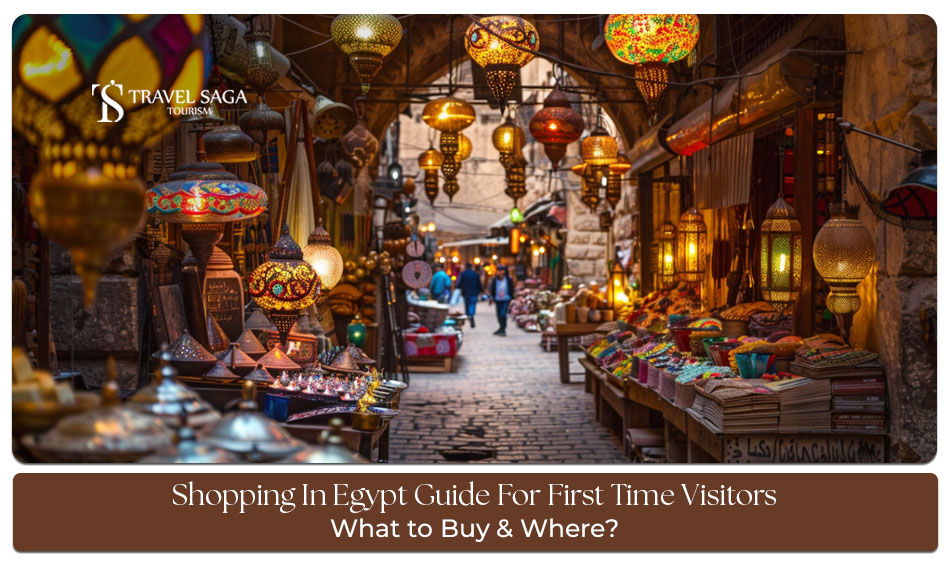
Shopping in Egypt is about more than buying and selling. It is about bargaining for souvenirs that remind you of your vacation and help you take a little piece of the experience home. From the maze-like alleys of Khan el-Khalili in Cairo to modern shopping malls overlooking the Mediterranean Sea, Egypt offers plenty of places to explore. Sounds magical, doesn’t it? If you are planning to go souvenir shopping in Egypt, this guide will help you decide what to buy and where to find it.
Top Things To Buy In Egypt
Egypt tour packages give you the opportunity to explore local markets and shop for souvenirs during your trip. Many tourists enjoy shopping but are unsure which items are worth bringing home. Here are some popular Egyptian souvenirs to look out for.


Mother-of-pearl boxes
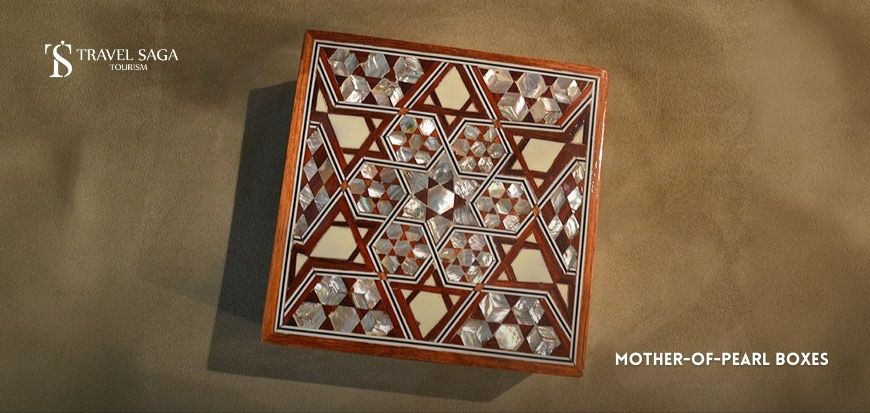
A beautiful wooden box with mother-of-pearl inlays is a souvenir you can actually use. These boxes come in many sizes, from small jewellery boxes to larger pieces that look great on a table. You can find them in traditional markets and souvenir shops across Egypt.
The designs and materials can vary considerably. Some boxes feature genuine mother-of-pearl inlays, while others use different shells or imitation materials. Ask the seller which material has been used before buying. Check the finish, hinges, and inside lining to get a better idea of the workmanship.
- Where to Buy: Khan el-Khalili, Cairo, and traditional craft shops.
Personalised Notebooks and Photo Albums
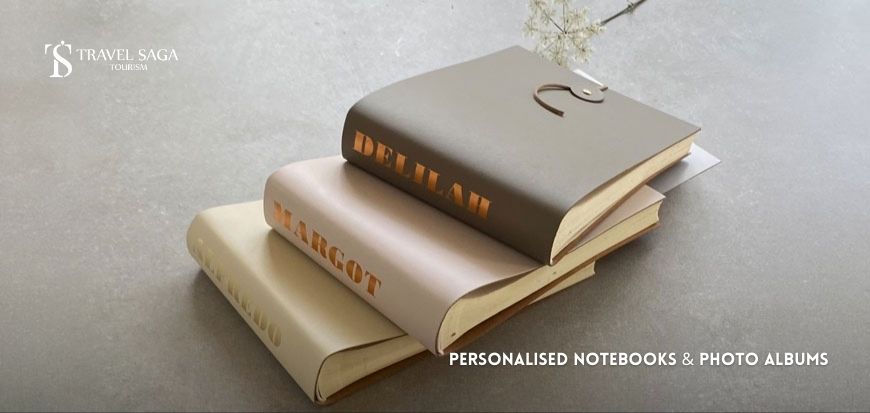
A personalised notebook or photo album makes a thoughtful souvenir, especially for anyone who enjoys writing or collecting travel memories. Abd El-Zaher Bookshop in Islamic Cairo, near Al-Azhar Mosque and Khan el-Khalili, is known for its handmade notebooks, leather-bound books, photo albums, sketchbooks, and vintage-style stationery.
Some notebooks can be personalised with names in Arabic or English. Ask about the available designs and whether personalisation is offered during your visit. You may also find postcards and books that make easy-to-carry gifts.
- Where to Buy: Abd El-Zaher Bookshop, Islamic Cairo.
Fayoum Pottery
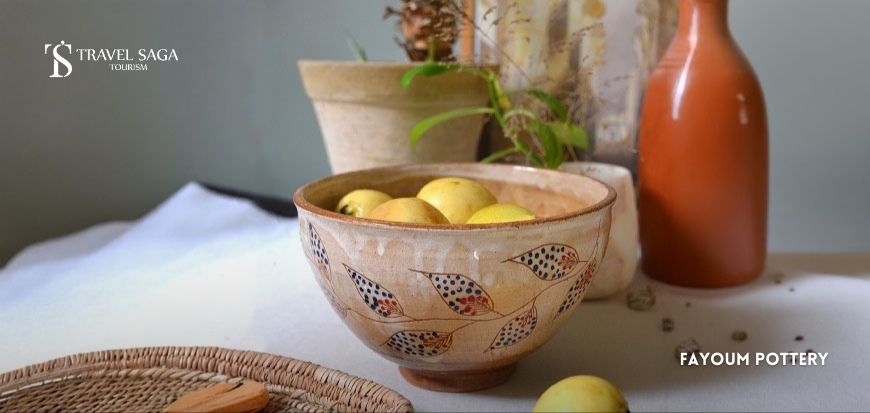
Fayoum pottery is known for its simple designs, natural colours, and patterns inspired by the surrounding landscape. You may find pieces decorated with palm trees, birds, animals, and other elements of nature. Earthy tones and handmade finishes make these items suitable for both decoration and everyday use.
Tunis Village in Fayoum is especially well known for its pottery workshops and galleries. Swiss potter Evelyn Porret helped develop the village’s pottery tradition by establishing a pottery school there in the 1980s. If you are visiting Fayoum, exploring its workshops can be a good way to see local craftsmanship and find a distinctive souvenir.
- Where to Buy: Tunis Village in Fayoum, selected craft shops in Cairo, and traditional markets.
Dates
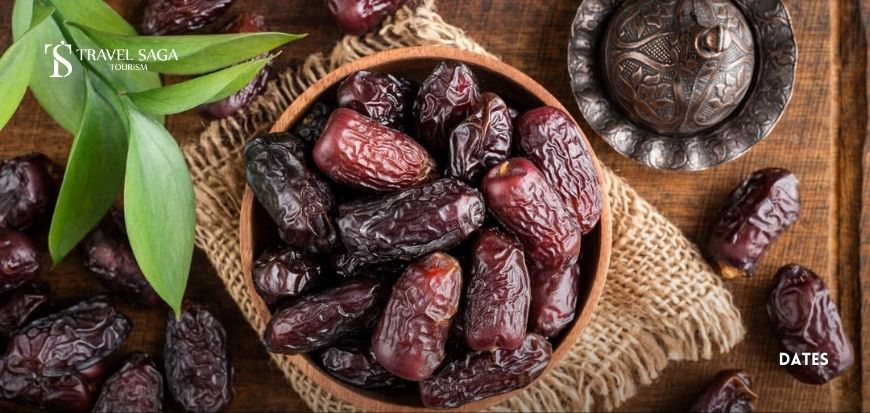
Dates are a popular food souvenir in Egypt and can be found in local markets, grocery stores, and specialist shops. Siwa Oasis, located in Egypt’s Western Desert, is particularly well known for date cultivation. Its date palms are an important part of the local agricultural landscape and provide a livelihood for many residents.
The Food and Agriculture Organisation reports that Siwa has around 280,000 date palms producing approximately 25,000 tonnes of dates each year. You can buy dates to enjoy as a snack or take home as a gift. Look for neatly packaged products and check the packaging, freshness, and origin before purchasing.
- Where to Buy: Siwa Oasis, Khan el-Khalili, local souks, and supermarkets across Egypt.
Handblown Glass
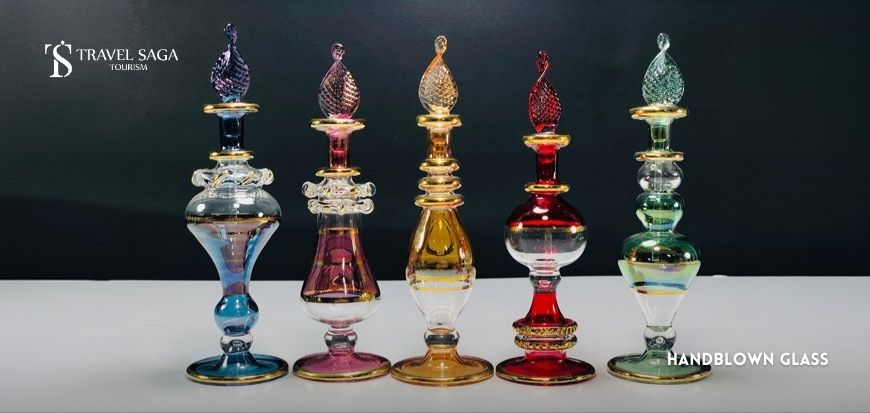
Handblown glass pieces can make colourful and distinctive souvenirs. Depending on the design, you may find decorative bottles, small vases, ornaments, and lamps. Each piece can have its own shape and finish, making handcrafted glassware different from mass-produced souvenirs.
Cairo’s City of the Dead, particularly the area around the historic Sultan al-Ashraf Qaitbay complex, is associated with traditional crafts. Some workshops in the area continue to practise skills such as glassblowing, metalwork, and woodworking. You can explore the workshops to learn more about these crafts, but remember that this is also a residential and historic burial area. Be respectful of local residents and ask permission before photographing people or their work.
- Where to Buy: Traditional craft workshops around the Sultan al-Ashraf Qaitbay complex in Cairo. You can explore the local traditional crafts project for more information.
Papyrus Replicas
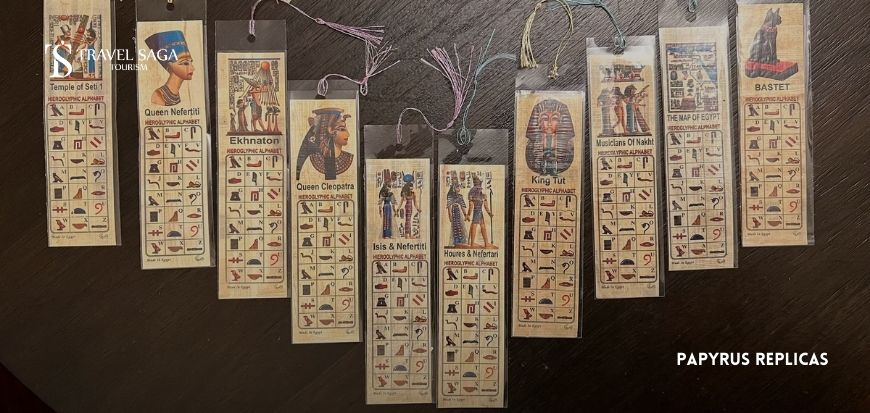
Papyrus artwork is among the souvenirs many visitors look for in Egypt. These pieces often feature ancient Egyptian symbols, scenes inspired by temples, pharaohs, and hieroglyphic designs. They are available in different sizes and styles, from small bookmarks to larger pictures suitable for framing.
However, not every product sold as papyrus is made from genuine papyrus. Some souvenirs are printed on ordinary paper or other materials. If authenticity matters to you, ask the seller what the artwork is made from and whether the material can be verified. Compare the quality of the printing, the edges, and the overall finish before making a purchase.
- Where to Buy: Giza, Khan el-Khalili, Luxor, Aswan, and souvenir shops across Egypt.
Ramadan Lanterns
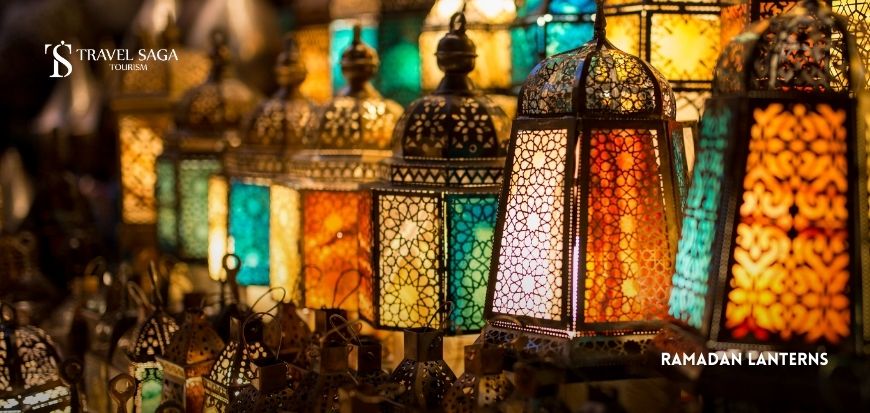
Egypt’s Ramadan lanterns, known as fanoos, are colourful decorations associated with the holy month of Ramadan. They are available in many designs, from traditional metal lanterns with coloured glass to modern plastic versions with battery-powered lights.
Stories about the tradition often connect it with the Fatimid period, although accounts of the lantern’s exact origins vary. Today, fanoos lanterns remain a recognisable part of Ramadan decorations in Egypt. If you visit during the festive season, you may see streets and shops filled with lanterns in a wide range of shapes and colours.
- Where to Buy: Traditional markets and souvenir shops, particularly in Cairo. Availability and designs can vary outside Ramadan.
Perfume Oils
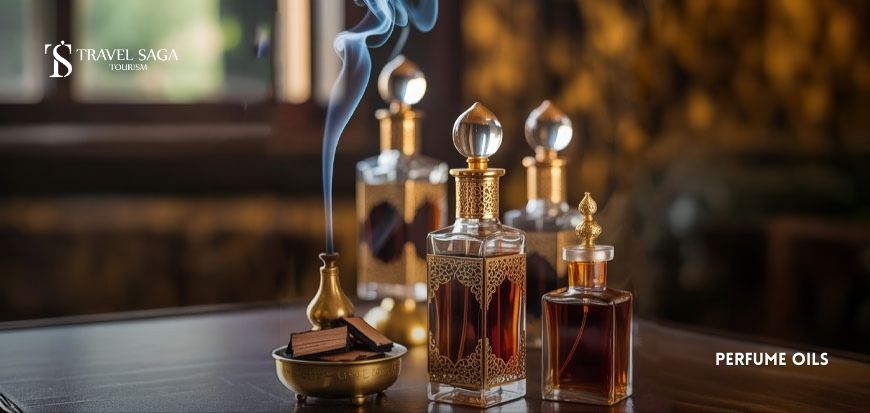
Perfume oils are another popular purchase in Egypt. In markets such as Khan el-Khalili, you may find small glass bottles containing concentrated fragrances, along with decorative bottles that can be kept as souvenirs. Popular scent options include jasmine, rose, musk, amber, and other floral or woody fragrances.
Before buying, ask about the fragrance and its ingredients rather than assuming that every oil is a pure essential oil. Try the scent before making a decision, and check whether the bottle is sealed securely if you plan to carry it in your luggage.
- Where to Buy: Khan el-Khalili and perfume shops across Egypt.
Prices for souvenirs are not fixed and can vary by size, materials, workmanship, and seller. Compare similar products at a few shops before buying, and ask what an item is made from if that affects your decision.
Best Markets in Egypt
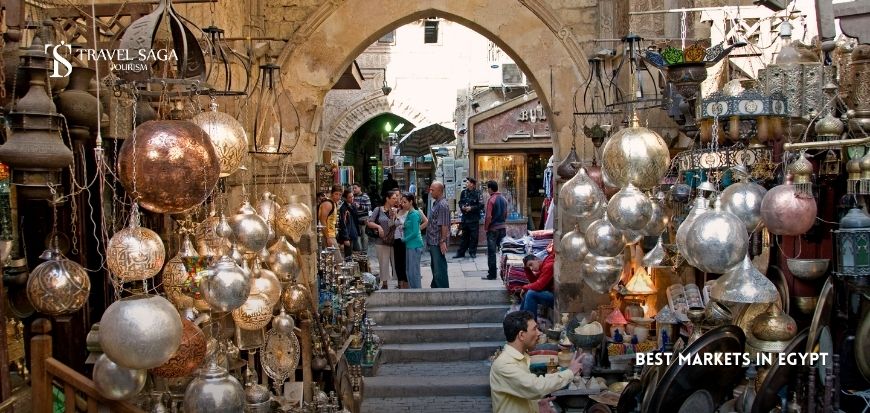
Many of the markets below are in Cairo, making them convenient options if your trip includes time in the capital. Each market has its own atmosphere and range of products, so the best one for you will depend on what you want to bring home.
Khan el-Khalili Bazaar
Khan el-Khalili is one of Cairo’s best-known traditional markets and a popular stop for visitors exploring Islamic Cairo. Its busy lanes contain shops selling souvenirs, jewellery, decorative items, spices, perfume oils, lanterns, and papyrus artwork. It is a good place to browse different designs and compare products, but prices and quality can vary between sellers.
Soor El Azbakeya Book Market
Soor El Azbakeya is a well-known book market in Cairo, especially for readers looking for used books, older editions, novels, and textbooks. It is a useful stop if you prefer a literary souvenir over a traditional decorative item. Browse several stalls because the selection and condition of books can differ.
Souq El Gom’aa (Friday Market)
Souq El Gom’aa is associated with bargain shopping and second-hand goods. Depending on the stalls available during your visit, you may come across household items, vintage-style decorations, old cameras, brassware, and other unusual finds. Inspect items carefully, particularly if you are buying antiques or anything described as old or collectable. Ask the seller about the item’s condition and whether it is an original or a reproduction.
Wekalet El-Balah
Wekalet El-Balah is a Cairo market better known for clothing and fabrics than for papyrus artwork or perfume oils. You can explore stalls selling new and second-hand clothes, textiles, and other fabric products. It is worth considering if you want to shop for practical items or browse a different side of Cairo’s market culture. The market’s merchandise and prices vary, so take time to look around before buying.
Shopping Tips for First-Time Visitors
Haggle Politely
Bargaining is common in many traditional Egyptian markets. If a price seems high, make a polite counteroffer and see whether the seller is willing to negotiate. Keep the exchange friendly, and remember that you can walk away if you cannot agree on a price.
Carry Some Cash
Smaller market stalls may prefer cash, while larger shops and modern stores may accept cards. Carry some Egyptian pounds for everyday purchases, but keep your money secure and avoid carrying more cash than you need.
Dress Comfortably and Respectfully
Choose comfortable clothing and shoes for walking through crowded markets. If your itinerary includes mosques or other religious sites, dress respectfully and follow any entry requirements displayed at the site.
Compare Shops Before Buying
Do not feel pressured to purchase an item from the first shop you visit. Compare similar products at two or three stalls, check the quality, and ask about the material before making your decision. If a driver or guide recommends a shop, you can consider the suggestion while still comparing prices independently. You are not obliged to buy anything simply because it has been recommended.
Check the Item Before Paying
Look for chips, loose parts, damaged finishes, or other defects in fragile souvenirs. For glassware and pottery, check that the item is not cracked. For personalised products, confirm the spelling and design before the work begins. If you are buying a larger item, ask about safe packaging and any additional charges.
Note: Read “Trending Travel Experiences and Best Things to Do in Egypt” for detailed information about what are some things you can do in Egypt.
In the End
Shopping in Egypt isn’t just about buying souvenirs; it’s like experiencing the culture. It’s fun to haggle with a smile, the smell of fresh spices in the air, the shine of gold items under the warm lights of the markets, and the happy feeling when you find something handmade and special. Whether you’re walking through the busy streets of Khan el-Khalili in Cairo or checking out stores in modern Alexandria, stay curious and confident. Ask questions, compare prices, take your time, and pick things that feel meaningful to you, not just things you see on tourist lists. Make your trip even more memorable with Travel Saga Tourism. Book your package with us today!
Frequently Asked Questions
Q. What Are the Best Souvenirs to Buy in Egypt?
Popular souvenirs include papyrus artwork, Fayoum pottery, perfume oils, dates, and mother-of-pearl boxes.
Q. Where Is the Best Place to Shop in Egypt?
Khan el-Khalili Bazaar in Cairo is a popular destination for traditional souvenirs, jewellery, spices, and decorative items.
Q. Is Bargaining Common in Egyptian Markets?
Yes, bargaining is common in traditional markets. Negotiate politely and compare prices before buying.
Q. Are Egyptian Souvenirs Expensive?
Prices vary depending on the material, size, craftsmanship, and shop. Comparing a few sellers can help you find a suitable price.
Q. Can Tourists Pay by Card in Egyptian Markets?
Some shops accept cards, but smaller market stalls may prefer cash. Carry some Egyptian pounds for convenience. For more related queries, visit our Frequently Asked Questions page.