
Common Questions Asked in US Tourist Visa Interview
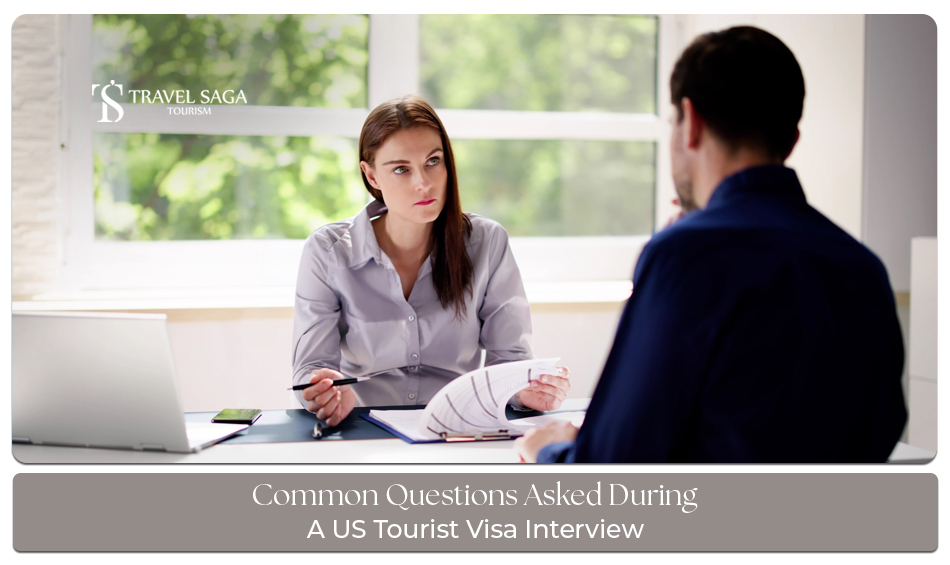
Whether you are dreaming of standing at the Grand Canyon or attending a business meeting in New York, getting your US tourist visa approved starts with one big moment: the interview. And for most Indian travellers, this is the part that causes the most nervousness. You can have perfect documents and a genuine travel plan, but the interview is still where everything comes together.
Every visa officer is required to assume you might want to stay in America permanently, unless you prove otherwise. So your entire goal during the interview is to show the officer that your life back home is settled and worth returning to. This guide breaks down the US tourist visa interview questions, along with simple answers and so much more. You can also explore our must-know insights on international visa services to understand the visa process, requirements, and important tips before planning your international trip.
Why Does the US Visa Interview Feel So Stressful?
Honestly, it is because most people walk in unprepared. They know their travel plans in their head, but they have never said it out loud, clearly and confidently, to a stranger across a glass window. This is exactly why preparation matters so much. After the US visa interview preparation, the nervousness drops significantly. If you still have doubts about the process, you can always reach out through our Contact Us page and get assistance with your visa-related queries.
Enquire - US Tourist Visa from UAE
Common Questions Asked in US tourist Visa Interview
Some of the common questions asked during a US tourist visa interview questions are as follows:
1. What is the purpose of your trip?
The officer simply wants to confirm that your visa type matches your actual plan. So be specific. Do not say “I just want to see America.” Instead, say something like, “I am travelling for tourism to spend two weeks in Florida with my cousins.” A clear, specific answer always sounds more genuine than a vague one. Before applying, make sure you understand the complete US tourist visa process, including eligibility, documents, and interview requirements.
2. Have you travelled to the US before?
This is a simple yes or no question. If you have visited before and returned on time, that works strongly in your favour. If this is your first trip, do not worry, everyone has a first time, and it is not held against you.
3. Why are you travelling at this specific time?
You can specify your trip timeline with whatever honest reason you have, be it your kids just had their winter or summer vacation, or it’s the peak season, etc. A clear reason is all they need. It makes it clear to them about your timeline for heading back home. The officers are just looking for a logical reason behind your timing.
4. How long do you plan to stay in the United States?
This one is important. Your spoken answer must match exactly what you wrote on your form. If you wrote ten days on your form but said one month during the interview, that mismatch becomes an immediate red flag. For most Indian travellers, a two-week trip is a very believable and common answer.
5. Who is paying for your trip?
You need to show that you have enough money to cover your entire trip, so there is no concern about you trying to find work in the US. If you are funding it yourself, mention your salary or savings. If a family member is sponsoring you, explain what they do and where their income comes from. The officer simply wants to know the money is coming from a stable, legal source.
6. What do you do for a living in India?
This question matters a lot. It is your opportunity to show that you have a real reason to come back home. Your way of living and profession help them judge you properly about the timelines and everything. It doesn’t matter if you are a teacher, engineer, doctor or anything else. Go and explain yourself very confidently.
7. What is your annual income?
State the figure that matches your tax documents. Even if the officer does not ask to see proof, hesitation in your voice can raise doubts. Your income should reasonably support the cost of an international trip.
8. Do you have relatives or friends currently in the USA?
Always be honest here. US consulates have access to detailed records, and hiding this information can be seen as dishonesty, which can lead to an immediate rejection. If you have a sibling working there, simply say so.
9. Where will you be staying during your visit?
If you have booked a hotel for the time you are in that city, or are planning to live with someone you know. Properly register their whole address. It can show your sincerity about this trip to them. For a relaxing and memorable stay, you can explore Little Palm Island Resort & Spa as one of the premium accommodation options during your Florida vacation.
10. Have you already booked your flight tickets?
Here is a tip that surprises a lot of people. You are actually advised not to book your flights until your visa is approved. So the safest answer is, “I have checked flights and will book once my visa is granted.” This is normal. For travellers applying from the UAE, you can also check the US tourist visa appointment for UAE residents in 2026 guide to understand the appointment process better.
11. What are your plans after your trip ends?
The officer wants reassurance that you have a life to return to. Simply mention your return date and your plans going back to work, continuing your studies, or returning to your business in India.
12. Have you travelled to other countries recently?
This one works in your favour. Mentioning previous trips to places like Dubai, Singapore, or Europe shows that you are an experienced traveller who follows rules and returns home on time, just like you plan to do this time. You can also explore our international visa services for assistance with different destinations.
13. What if you are offered a job while you are in the US?
There is really only one correct answer here. Make it clear that you have no intention of working there, and that your career or business in India is doing well. This question is testing your intent, not your skills.
14. Do you have specific plans for what you want to see?
You just need to tell them your whole itinerary or what you are planning to visit. Try not to give answers that are very generic or come from an unplanned space. Be specific about it.
By knowing these answers and doing US visa interview preparation, getting the approval of a US tourist visa is achievable.
Simple Secrets That Help You Succeed
Some of the simple tips and tricks that you can do that can help in getting your visa approved are as follows. For more information about our travel solutions, services, and expertise, visit our About Us page. Here is the list of the same:
- Dress neatly and professionally. You do not need a suit, but business casual clothing helps create a strong first impression.
- Match your spoken answers to your form. Before your interview, review your form carefully so your spoken answers are consistent with what you already submitted.
- You do not need to speak perfect English. Many applicants feel pressured to answer only in English. But that is not true. You can just schedule your interview in your native language.
- Always check the embassy’s official requirements before your appointment, since these can be updated from time to time.
- Be honest about every detail, including biometric checks like fingerprint scanning, which is a standard part of the process.
Note: If you are planning your next international holiday, explore our international tour packages for hassle-free travel planning.
Conclusion
US tourist visa interview questions are just a series of simple questions that officers ask to make a judgment about you and your intention to return home. Most visa rejections happen not because someone is unqualified, but because they walked in unprepared. The good news? Once you know the common questions and practice clear, honest, specific answers, the entire interview becomes far less intimidating.
At Travel Saga Tourism, we help travellers prepare confidently for their US visa journey from documentation to interview guidance, so you can focus on the excitement of your trip instead of the stress of the process.