
Is Maldives Worth Visiting During the Rainy Season?
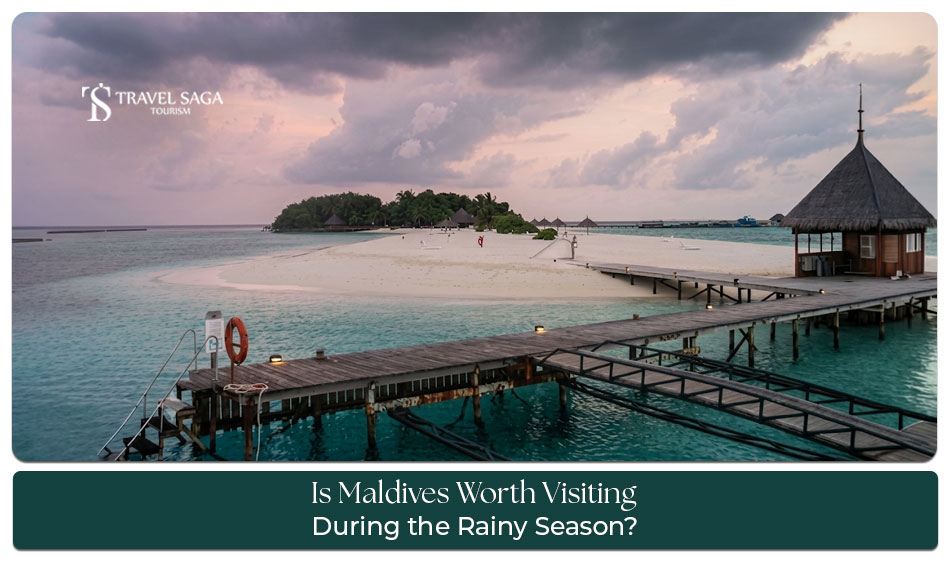
If you’ve been eyeing the Maldives but noticed that flights and resorts are significantly cheaper between May and October, you’re probably wondering: Is there a catch? The short answer is yes, it rains more. But the longer, more useful answer is that the Maldives during the rainy season is far more nuanced than most travel guides let on.
What “Rainy Season” Actually Means in the Maldives
The Maldives experiences two distinct weather patterns. The dry season runs from November to April, bringing calm seas, clear skies, and peak-season crowds. The wet season, driven by the southwest monsoon, runs roughly from May to October.
But here’s what many people don’t realize: “rainy season” doesn’t mean it rains all day, every day. Rainfall in the Maldives during monsoon typically comes in short, heavy bursts, often at night or early morning, followed by sunshine and warm temperatures. The average temperature stays around 28–30°C throughout the year, monsoon or not.
June and July tend to see the highest rainfall, while May and October are considered the shoulder months wetter than peak season but noticeably calmer than the height of monsoon. If you’re exploring Maldives off-season travel, May and October tend to offer the best balance of good weather and lower prices. If you are planning your trip to the Maldives from India, check out the Maldives tour package.
Enquire - Maldives Tour Package
What You Gain by Visiting in the Monsoon
1. Significantly Lower Costs
This is the most practical reason people consider the Maldives in the monsoon season. Resort prices can drop by 30–50% compared to peak season. Flights are cheaper. Seaplane transfers and liveaboard packages are more negotiable. For a destination that’s typically associated with high price tags, this is a meaningful difference.
If budget has been the main reason you’ve been putting off a Maldives trip, the off-season might actually be the window that makes it possible.
2. Fewer Crowds
The Maldives is an archipelago of over 1,000 islands, and even in peak season, the resorts tend to feel private. But in the off-season, that sense of having a beach to yourself becomes even more pronounced. Popular snorkelling spots are less congested. Restaurants at resorts don’t require advance reservations for every meal. The overall pace feels unhurried.
3. Better Diving Conditions in Some Areas
This surprises many people. While the monsoon brings rougher conditions on the western side of the atolls, it actually improves visibility and marine life activity on the eastern side. Manta rays, in particular, are more commonly spotted during the southwest monsoon. If diving or snorkelling is a priority, the monsoon season can offer some of the best underwater experiences of the year, provided you choose the right atoll.
Speak to your resort or dive operator about which sites are most suitable for the time of year you’re visiting.
4. Lush Green Landscapes
The vegetation on inhabited islands and resort islands looks noticeably greener and more vibrant during and after the monsoon. It’s a small detail, but it does change the visual character of the islands in a way that some travelers find appealing.
There are plenty of things to do in the Maldives for everyone. Things like Overwater Vials, scuba diving , and snorkeling are some of the popular attractions in the Maldives.
What You Need to Be Prepared For
1. Unpredictable Weather Windows
This is the honest part. During a Maldives rainy season visit, you cannot guarantee full-day sunshine every day. Some days will be overcast. Some water activities may be postponed due to rough seas. If your trip is only 4–5 days long and you’ve built every day around watersports, a stretch of bad weather can feel frustrating. Longer trips, 7 days or more, give you a better statistical chance of landing multiple good weather days.
2. Rough Seas Can Affect Transfers
Speedboat and seaplane transfers between islands can be delayed or rescheduled during heavy weather. Seaplanes, in particular, don’t fly in low visibility. If you have a tight connection or early flight home, this is worth factoring into your planning. Always build buffer time between your inter-island transfer and your departure flight.
3. Some Resorts Operate at Reduced Capacity
Certain resort facilities, including some water sports centres and diving schools, may operate on reduced hours or with limited staff during the off-season. Before booking, it’s worth confirming with your resort which activities remain available during the months you’re visiting.
Who Should Visit the Maldives in the Monsoon?
The off-season genuinely suits certain types of travellers better than others.
Good fit if you:
- Are flexible and relaxed about the day’s plans changing due to the weather
- Want to visit the Maldives without paying peak-season prices
- Are primarily interested in relaxation, reading, spa treatments, and slower-paced beach time
- Are you a diver or snorkeler interested in the manta ray season on the eastern atolls
- Are honeymooning and prioritize privacy over guaranteed sunshine
Related: Our Maldives honeymoon picture-perfect guide is also worth a read, if you’re considering the Maldives for your honeymoon.
Less ideal if you:
- Have a fixed short trip and a packed activity schedule
- Are you travelling with children who need consistent outdoor time
- Are visiting specifically for surfing on the western atolls (conditions can be choppy and unpredictable outside of surf break zones)
To learn more, check our Best time to visit Maldives.
Month-by-Month Snapshot
|
Month |
Weather Summary |
Crowds |
Value |
|
May |
Transition month, some rain |
Low |
Good |
|
June |
Wetter, occasional storms |
Very Low |
Best rates |
|
July |
Wettest month on average |
Very Low |
Best rates |
|
August |
Improving slightly |
Low |
Strong value |
|
September |
Gradual improvement |
Low |
Good |
|
October |
Shoulder month, mostly good |
Picking up |
Good |
Practical Tips for an Off-Season Maldives Trip
- Book a resort with indoor or covered amenities. A good spa, a well-stocked library, multiple dining options, and an indoor pool make a rainy afternoon genuinely enjoyable rather than frustrating.
- Travel with travel insurance that covers weather-related disruptions. This is non-negotiable for a monsoon season trip, particularly if seaplane transfers are involved.
- Choose the right atoll. The southern atolls, particularly Addu Atoll and Fuvahmulah, tend to have slightly drier conditions in the monsoon compared to the northern atolls. Alternatively, resorts in the North Malé Atoll are well-practised at managing operations around monsoon conditions given their year-round guest volumes.
- Pack a light rain jacket and quick-dry clothing. Heavy umbrellas are impractical on resort islands. A packable rain layer is much more useful.
- Don’t over-schedule. The off-season is best approached with a loose itinerary. Plan for activities you want to do, but don’t hinge the enjoyment of the trip on a watertight schedule. If you want to have a pre-planned tour then you can book our International tour packages.
So, Is It Worth It?
Travelling to the Maldives in monsoon season is absolutely worth it for the right kind of traveller. The experience is different from peak season, not lesser, just different. You trade guaranteed sunshine for meaningful savings, fewer crowds, and in some cases, better marine life encounters.
The Maldives, even in the rain, is still a collection of turquoise lagoons, white-sand beaches, and exceptional hospitality. A cloudy afternoon overwater bungalow is still an overwater bungalow. Book with travelsaga.com to experience the Maldives like never before. Even if you’re travelling for the first time, Travel Saga provides hassle-free booking as well as visa application.
If you’re looking at a Maldives off-season travel trip and want help building an itinerary that makes the most of the conditions, including which resorts stay fully operational, which atolls have the best weather windows, and how to structure transfers to avoid delays, that’s exactly the kind of trip planning we do at Travel Saga.