
Cappadocia in Winter: What to Expect and What to Pack
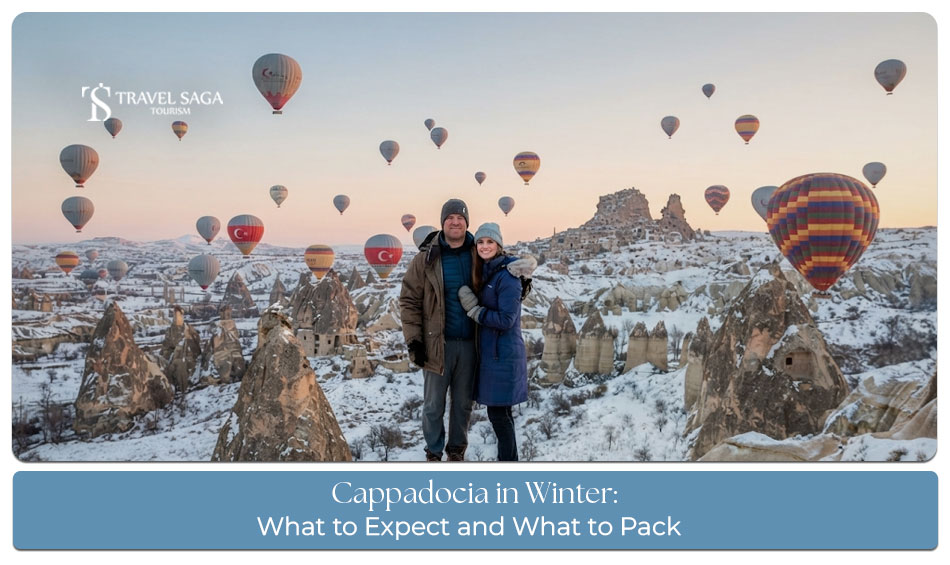
When it snows in Cappadocia, the fairy chimneys, valleys, and the whole city look like a winter wonderland. So, anyone travelling there won’t be disappointed by this beautiful winter destination. Further, this city gives you a unique experience with its historical monuments and snow-covered landscapes. So, if you want to travel during this cold weather, you must know what to expect and what to pack for Cappadocia in winter.
What to Expect When Visiting Cappadocia in Winter
Cappadocia in winter gives you a very unique experience. You can explore the fairy chimneys, valleys, and rock formations covered in snow in the region. Thus, make sure to include this destination in your Turkey Holiday Package.
- Fairy chimneys in snow: The snow can enhance the beauty of the fairy chimneys and their surrounding rock formations, creating a winter wonderland.
- Cold conditions: Cappadocia has a continental climate, and the winters are cold and snowy. The mean maximum temperatures of Nevşehir are approximately 4°C in January, 5°C in February, and 6°C in December.
- Less crowded: Winter is a quieter time to visit, as is the case for most of Cappadocia’s busiest seasons, except for Christmas and New Year’s.
- Some walks may be more difficult: Wet, icy paths and walkable sites can be more difficult in the valleys; boots and footwear make a difference.
- Weather Plans: Hot air balloon flights and other outdoor activities may be impacted by snow, strong winds, or poor visibility. Also, be flexible with your plans for a Cappadocia winter trip.
- Less daylight: Plan sightseeing outdoors earlier in the day, and sightseeing indoors later in the day to complete your Cappadocia winter travel.
Enquire - Turkey Holiday Package
What to Pack for Cappadocia in Winter
When the temperatures drop in the morning and evening in Cappadocia, it’s essential to know what to pack in order to maintain your comfort level. In addition, it is especially important when planning a Turkey Family Tour Package with children.
Warm Insulated Jacket
A warm, preferably water-resistant jacket to keep them warm, snow- and wind-resistant. An outer layer that is well insulated is particularly helpful on cold mornings and evenings.
Thermal Base Layers
Thermal tops and bottoms are an additional layer of warmth without the bulkiness of excess clothing. Also, they are especially helpful if you are going to be outside for a prolonged period of time.
Sweater or Fleece
Bring a warm sweater or fleece to be worn between the thermal layer and outer jacket. This will make it easier to make changes to your layers throughout the day.
Waterproof and Comfortable Shoes
It’s essential to have good grip when walking over icy/snowy or wet terrain, especially around valleys or viewpoints. Waterproof boots also prevent your feet from getting damp during your Cappadocia winter travel.
Warm Socks
Bring a few pairs of wool or thermal socks to help keep feet warm on long days spent outside. An extra pair of socks will also come in handy when your socks get wet.
Gloves, Scarf and Beanie
A simple addition to your clothing to keep your hands, neck, and head extra protected during the cold season. They are particularly useful early in the morning for sightseeing and for outdoor activities.
Sunglasses and Sunscreen
The sun and glare from snow can still be intense in the winter; pack sunscreen and sunglasses. They can be of use even on cold days spent exploring the outdoors.
Lip Balm and Moisturiser
These items make for handy additions to your collection of must-have items to help moisturize your skin and lips from the cold, dry air. Have them on hand to reapply during the day.
Small Backpack
A small backpack is handy for transporting water and extra layers, sunscreen, and other essentials when sightseeing. Also, select one that is comfortable to walk in and for outdoor use. Make sure to include these items before you book your International Tour Package.
Best Things to Do in Cappadocia in Winter
A Best Turkey Tour Package often includes Cappadocia as it is a popular historical site. Further, you can enjoy outdoor views, visit historic sites, or visit indoor attractions suitable for winter.
Göreme Open-Air Museum
Explore the rock-cut churches, the monasteries, and the frescoes, and visit one of the most famous historic sites to enhance your Cappadocia winter travel experience.
Underground Cities
Discover the hidden dwellings of the city, like Derinkuyu and Kaymaklı, which are especially valuable attractions in cold weather outside.
Snow-Covered Valleys and Fairy Chimneys
During winter, the unique valleys and fairy chimneys of Cappadocia turn into a breathtaking landscape, and viewpoints, as well as short walks, are particularly scenic.
Hot Air Balloon Ride
A Hot-Air Balloon Ride in Cappadocia is possible in the winter season, but they require favorable winds and weather. Thus, be flexible with your plans in case of a flight change or cancellation.
Uchisar Castle
Depending on the visibility and weather conditions, go to the Uchisar Castle and other viewpoints and enjoy a panoramic view of the Cappadocia region.
Turkish Cuisine and Cafes
While enjoying the cold weather, explore local restaurants and cafés to sample Turkish cuisine, tea, and coffee.
Enjoy a Traditional Turkish Bath
Taking a traditional Turkish bath after a day of cold-weather exploring in Cappadocia is a relaxing experience inside, since it is an old bathhouse.
Tips for a Winter Trip to Cappadocia
A few simple tips can help make your Cappadocia winter travel easier. Further, if you are planning a broader Turkey trip, read Turkey Travel Tips for a seamless experience.
- Always check the weather: Weather forecast before planning a balloon ride, valley walk, or viewpoints.
- Plan for flexibility: If it snows, winds, or there is poor visibility, then plans for the outside may have to change.
- Make a reservation early: Make a reservation before the balloon ride for the date you desire, but remember that it could be canceled and rescheduled in case of bad weather.
- Use shoes with good traction: Walking may be more difficult on snow, ice, and rough terrain.
- Begin sightseeing early: With shorter daylight hours, getting a head start on sightseeing can make the best of your time.
Note: The official Go Turkiye website contains the most up-to-date information and updates regarding the winter weather.
Conclusion
Cappadocia winter travel is no less than a fairy tale with snow-covered mountains, cold but clear weather, and fewer people to enjoy. You can comfortably enjoy its valleys, historic sites, and local experiences. Further, always carry warm clothing, be flexible for weather-dependent activities, and wear appropriate footwear. In addition, visit Travelsaga.com to plan your trip to Turkey, including the Cappadocia in winter experience.
FAQs: Cappadocia in Winter
Q. Should I visit Cappadocia during the winter?
Yes. Although less visited during the winter, some of the major attractions in Cappadocia are open, and there are snow-covered fairy chimneys and valleys to enjoy.
Q. What is the winter temperature like in Cappadocia?
The winter weather is pretty chilly, especially at night. Average temperatures in Nevşehir during the day in January are approximately 4°C, in February, approximately 5°C, and in December, approximately 6°C.
Q. Is it possible to fly in a hot air balloon in Cappadocia in winter?
Yes, balloon flights are possible in the winter season, but they are dependent on favourable wind and weather conditions. Also, cancellations and rescheduling may occur.
Q. What’s the best way to travel to Cappadocia during the winter?
Bring an insulated jacket, thermal clothing, warm socks, gloves, scarf, beanie, and waterproof shoes that have a good grip. Further, other useful items include sunglasses, sunscreen, and moisturiser.
Q. Does it snow in Cappadocia in winter?
Yes, during your Cappadocia winter travel, you will experience cold, but the snowfall fluctuates from year to year. Further, you can check our Frequently Asked Questions page for further related queries.