Travellers exploring Nepal mountains, temples, waterfalls, and green landscapes in July

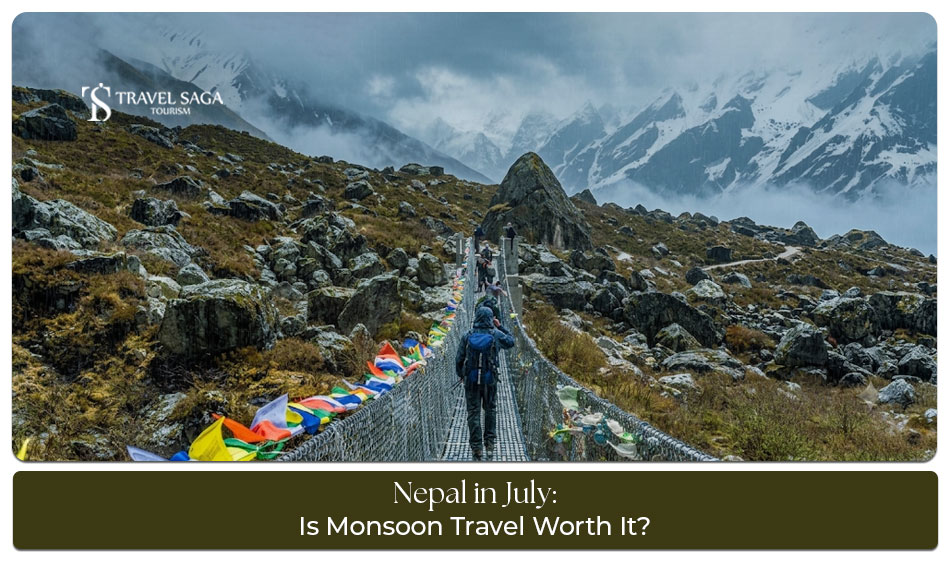
Nepal in July: Is Monsoon Travel Worth It?

Nepal in July gets written off constantly. Trekking forums say to avoid it. Travel blogs push you toward October. Most people planning a Himalayan trip look at the July weather chart, see the rainfall figures, and immediately move their dates. Here is what those people miss. Nepal in July is genuinely good for a specific kind of traveller. Not every kind. But if you match the profile, July delivers a version of Nepal that the October crowds never see. Lush valleys. Dramatic skies. Fewer tourists at every major site. The question is not whether July is perfect. The question is whether it is perfect for you.

Nepal in July: What the Monsoon Actually Looks Like

July sits at the heart of Nepal’s monsoon season, which runs from June through September. Rain falls daily across most of the country, usually in heavy afternoon and evening bursts rather than continuous all-day downpours. Mornings often start clear. Kathmandu sees significant rainfall but rarely the kind of relentless grey that the word monsoon implies to most travellers. The Terai lowlands and the eastern hills take the heaviest rain. The rain shadow regions in the north, places like Mustang and Dolpo, stay largely dry because the Himalayas block the monsoon clouds from reaching them.

Official Weather Data

Temperatures in Kathmandu in July average between 19 and 27 degrees Celsius. Humidity is high, but the temperature itself is comfortable compared to the extreme heat that July brings to India and the Gulf. The Department of Hydrology and Meteorology Nepal publishes real-time rainfall and weather data across all Nepal regions, worth checking before finalising your travel dates and regional itinerary for a July trip.

Enquire - Nepal Tour Package

Is July a Good Time to Visit Nepal: The Honest Answer

Is July a good time to visit Nepal? Honestly, it depends entirely on what you want from the trip. For high-altitude trekking on the Everest Base Camp or Annapurna Circuit routes, July is genuinely difficult. Trails turn slippery, leeches appear on jungle sections, mountain views stay hidden behind clouds for days at a time, and landslide risk increases on certain routes. But Nepal is not only trekking. Kathmandu’s temples, Pokhara’s lakeside energy, Chitwan’s wildlife, and Lumbini’s Buddhist heritage all work perfectly well in July regardless of rainfall.

Who Should Visit Nepal in July

July suits four types of travellers specifically. Budget-conscious travellers who want Nepal’s full cultural experience at lower accommodation rates. Photographers who want dramatic monsoon skies and mist-covered hillsides that the dry season Nepal simply cannot offer. Spiritual travellers focused on temples, monasteries, and meditation retreats rather than mountain views. And travellers from the UAE or the Gulf who cannot travel in October due to work or school schedules and need a July window. 

Who Should Avoid Nepal in July

High-altitude trekkers who specifically want clear Himalayan panoramas should not go in July. The views from Poon Hill, Kala Patthar, and the Annapurna Base Camp are cloud-covered for most of the month. If the primary purpose of your Nepal trip is a major trek with mountain views, October through November or March through May is the correct window. July rewards those who understand the trade-off going in rather than those who discover it upon arrival.

Nepal Monsoon Travel: Where to Go in July

Nepal monsoon travel works best when the itinerary focuses on lower-altitude destinations that handle rain well rather than forcing a high-altitude trek into an unsuitable season.

Kathmandu in July

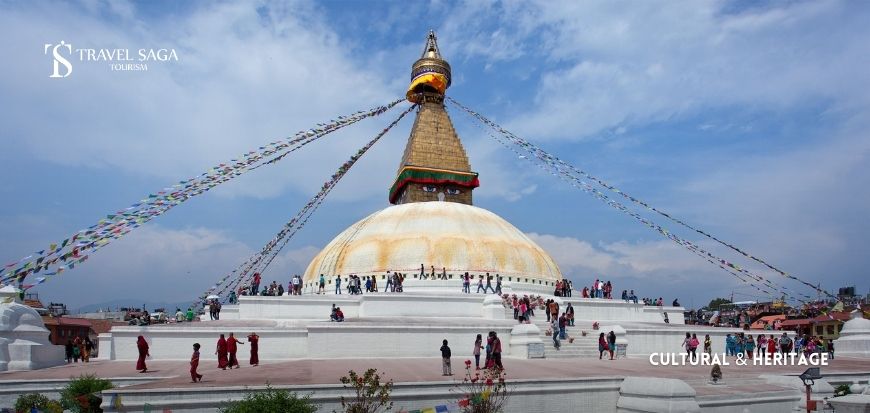
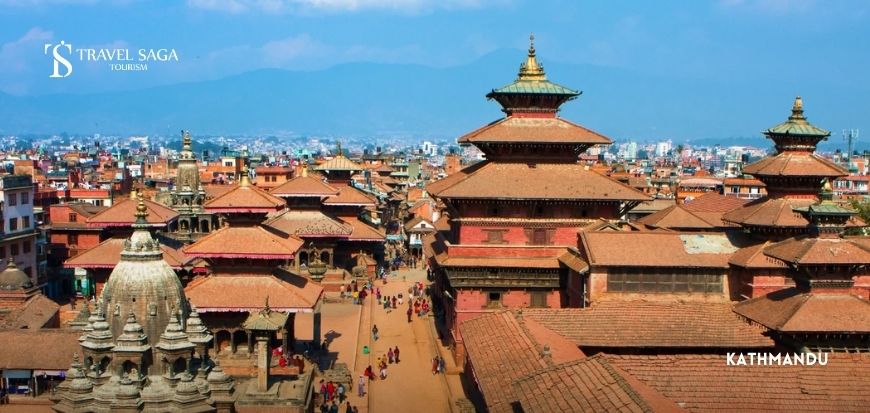
Kathmandu works brilliantly in July. The rain comes and goes. The temples, palaces, and ancient streets of the Kathmandu Valley sit below 1,400 metres and drain well after heavy rain. Pashupatinath Temple, Boudhanath Stupa, Swayambhunath, and the medieval squares of Bhaktapur and Patan all deliver their full cultural impact regardless of the weather. Tourist numbers are lower than during peak season, which means shorter queues, more space at major sites, and a more genuine interaction with the city. If you want a detailed two-day plan for the valley, the Kathmandu 2 Day Itinerary covers exactly how to structure your time across the city’s most rewarding stops.

Cultural Experiences in July

Nepal’s festival calendar delivers some of its most spectacular events during the monsoon months. Janai Purnima, a significant Hindu festival celebrated at Pashupatinath and at the sacred lake of Gosainkunda, falls in July or August, depending on the lunar calendar. Gai Jatra, a unique Newari festival in Kathmandu that honours those who have passed away in the previous year, brings colourful processions through the city streets. These festivals do not run in October. They belong to July and August specifically. For a deeper look at Nepal’s spiritual and cultural landscape beyond the standard tourist circuit, the Top Spiritual and Cultural Experiences in Nepal guide covers the experiences worth building your itinerary around.

Pokhara in July

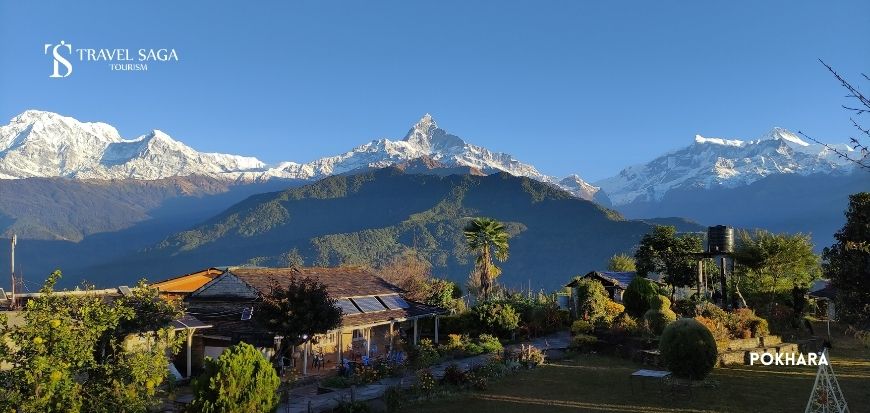
Pokhara’s lakeside setting handles the monsoon with unexpected grace. The Phewa Lake fills with water, the surrounding hills turn intensely green, and the Annapurna range appears in dramatic clarity during the brief clear windows between rainfall. The city itself is compact and walkable. Cafés, local restaurants, and lakeside strolls fill the rain gaps comfortably. Boating on Phewa Lake during a brief, clear morning with mist hanging over the surrounding hills is one of those experiences that only July and the monsoon months deliver.

Upper Mustang: The Monsoon Escape

Upper Mustang is the single best trekking destination in Nepal during July. Sitting in the Himalayan rain shadow north of the Annapurna range, Upper Mustang receives almost no monsoon rainfall. While the rest of Nepal deals with heavy downpours, Mustang stays arid, clear, and dramatically beautiful. The ancient walled city of Lo Manthang, cave monasteries carved into ochre cliffs, and a landscape that looks more like Tibet than the Nepal most visitors know make Upper Mustang one of the most extraordinary trekking destinations in Asia. 

Nepal Monsoon Travel: What to Expect on the Ground

Nepal monsoon travel requires specific preparation that a dry-season Nepal trip does not. Understanding the practical realities before you arrive removes the surprises that catch underprepared travellers off guard.

What to Pack

The packing list for July in Nepal differs significantly from an October visit. Waterproof hiking boots are non-negotiable for any outdoor activity. A quality rain jacket, quick-dry clothing, and a waterproof bag cover for your daypack matter more than warm layers. Leech socks if you plan any jungle or lower-altitude trail walking in Chitwan or the Terai. A small umbrella for city exploration. Anti-fungal powder for extended walking in wet conditions. The Nepal Travel Checklist for International Travellers covers the complete packing and preparation list for every season, including the specific additions that July requires.

Is July a Good Time to Visit Nepal for Wildlife

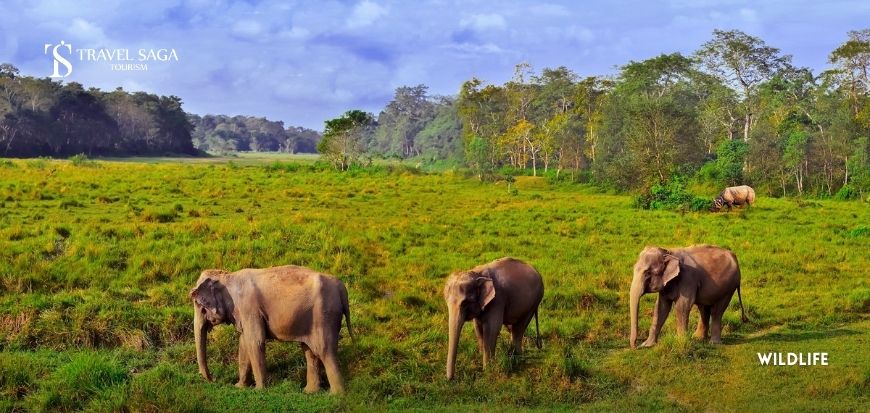
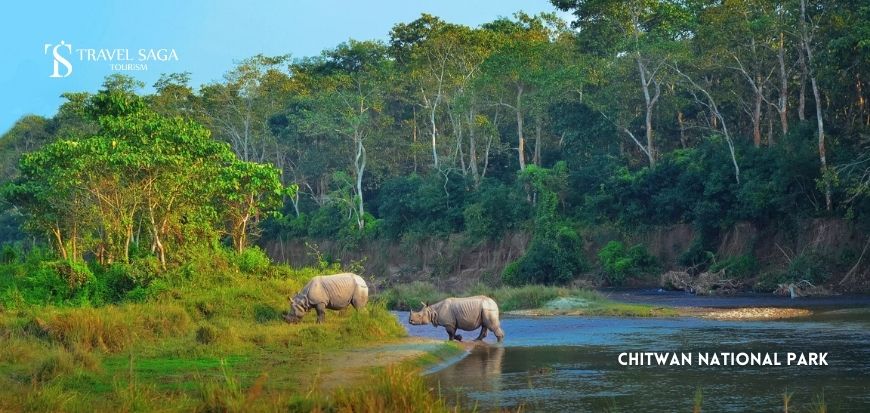
Chitwan National Park in July is underrated. The Rapti River swells with monsoon rain, vegetation thickens across the park, and wildlife concentrations around permanent water sources increase. One-horned rhinoceros sightings in Chitwan rank among the most reliable in the world during July because the animals cluster around the river banks. Elephant grass grows tall in July, which reduces visibility for certain species, but rhino, crocodile, and bird sightings remain strong throughout the monsoon months.

Visa Requirements

UAE residents planning a Nepal trip need to understand their specific entry requirements based on their passport nationality. Indian nationals get visa-free access to Nepal with no application required. Most other nationalities, including Pakistani, Bangladeshi, and various Gulf-based expat nationalities, need a Nepal visa on arrival at Tribhuvan International Airport in Kathmandu. For multi-destination visa planning or assistance with Nepal entry documentation, the International Visa service covers support for UAE-based travellers heading to Nepal and other South Asian destinations.

Planning Your Nepal Trip

UAE-based travellers planning a July Nepal trip benefit from working with an operator who understands both the monsoon season limitations and the genuine opportunities it creates. The Nepal Tour Package From UAE covers structured itineraries from Dubai and Abu Dhabi that account for July weather patterns, focusing on Kathmandu, Pokhara, and Chitwan rather than pushing high-altitude treks into an unsuitable season.

Combining Nepal With Other Destinations

Nepal pairs naturally with India for UAE travellers who want a broader South Asia itinerary. Varanasi, Delhi, and Agra all connect easily from Kathmandu by air. Sri Lanka and Bhutan both offer short regional flights from Kathmandu for travellers with extended leave. The International Tour Packages page covers combination itineraries from the UAE that pair Nepal with neighbouring South Asian destinations in one structured trip.

Conclusion

Nepal in July is not the wrong choice. It is a different choice. Nepal monsoon travel delivers lush landscapes, dramatic skies, empty temples, and festival experiences that peak-season visitors never access. Is July a good time to visit Nepal for everyone? No. High-altitude trekkers with mountain view ambitions should wait for October. But cultural travellers, festival seekers, budget-conscious visitors, and UAE residents who can only travel in July will find a version of Nepal that surprises them completely. The monsoon does not ruin Nepal. It changes it. And for the right traveller, that change is exactly what makes the trip worth taking. Book your packages now with travelsaga.com and enjoy the best time of your life in Nepal. 

Frequently Asked Questions

Q1. Is Nepal safe to visit in July during the monsoon? 

Yes, Kathmandu, Pokhara, and Chitwan are all safe and fully operational in July. The main risk applies to high-altitude trekking routes where landslides and slippery trails become genuine concerns.

Q2. Which part of Nepal is best to visit in July? 

Kathmandu Valley, Pokhara, Chitwan National Park, and Upper Mustang are the strongest July destinations. Upper Mustang specifically sits in a rain shadow and stays dry throughout the entire monsoon season.

Q3. Can you trek in Nepal in July? 

Standard high-altitude treks like Everest Base Camp and Annapurna Circuit are not recommended in July due to cloud cover, leeches, and landslide risk. Upper Mustang is the clear exception and offers excellent trekking conditions throughout July.

Q4. How much cheaper is Nepal in July compared to peak season? 

Accommodation, guided tours, and internal flights all carry noticeably lower rates during the monsoon months. July and August consistently deliver the best value window on the entire Nepal travel calendar.

Q5. Do UAE residents need a visa to visit Nepal? 

Most nationalities based in the UAE need a visa on arrival at Kathmandu’s Tribhuvan International Airport, processed quickly with a photograph and payment in major currencies. Indian passport holders are the exception and enter Nepal completely visa-free.
Read More Blogs:

Spiritual and cultural experiences in Nepal featuring temples, monasteries, heritage sites, and festivals

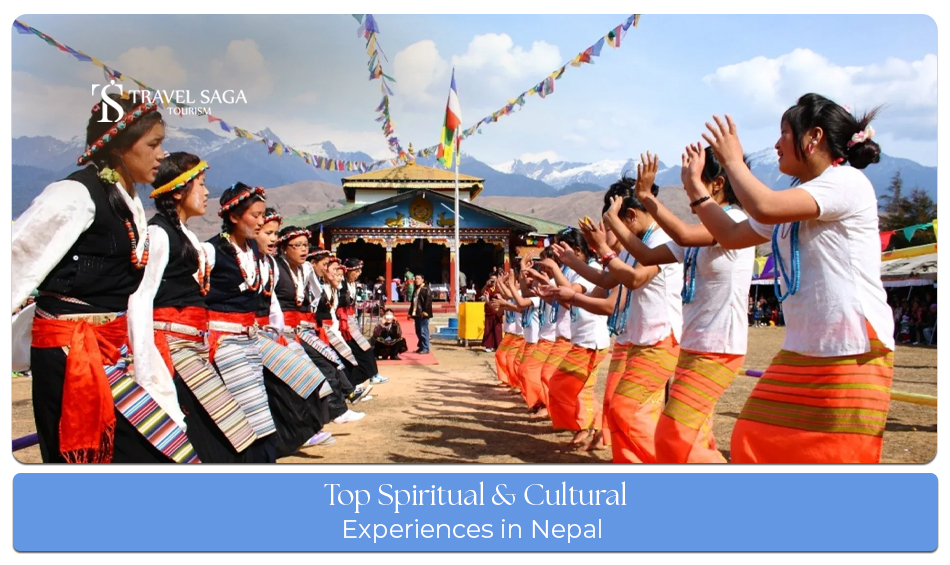
Top Spiritual And Cultural Experiences in Nepal 

There’s a moment that most people describe after arriving in Nepal, usually somewhere between stepping off the plane and walking into their first temple courtyard, where the noise of everyday life just falls away. It’s not dramatic. It’s quiet. And it tends to stick with you.

Nepal is one of the few places in the world where spirituality isn’t a tourist attraction layered on top of daily life. It is daily life. Monks spin prayer wheels at dawn. Priests recite Sanskrit beside temple fires at dusk. Spiritual tourism in Nepal has grown steadily for good reason; the country genuinely delivers on what so many destinations only promise.

Whether you’re a pilgrim, a curious traveller, or someone who simply wants to understand a place more deeply, this guide covers the best spiritual places to visit in Nepal and the cultural experiences that make a trip here unlike anything else in Asia. The best part is you can make your customised Nepal tour packages from UAE with us and include all these places in your itinerary. 

Why Nepal Draws Spiritual Travellers From Around the World

Nepal holds a position that no other country does. It is the birthplace of Buddhism and, at the same time, one of Hinduism’s most sacred sites. These two traditions have coexisted here for over two millennia, not just peacefully, but actively, with shared festivals, shared temples, and a layered religious culture that’s genuinely unlike anywhere else.

Travel Saga’s Nepal Travel guide takes you through the experiences that will stay with you for life. 

The numbers reflect this. Nepal has more than 2,700 Buddhist monasteries and thousands of Hindu temples, including eight UNESCO World Heritage Sites connected to faith and history. Over 1.1 million international visitors arrived in 2024, and spiritual and cultural tourism has been identified as a key growth sector in Nepal’s own Tourism Strategic Plan through 2030. What explains it is being able to walk from a Buddhist stupa to a Hindu temple in under ten minutes, with both of them full of people who are there to pray, not to be photographed doing it.

Spiritual tourism in Nepal works because it’s real. Read do UAE residents need a visa for Nepal, if you’re planning your travel from the UAE. 

Enquire - Nepal Tour from Dubai 

Best Spiritual Places to Visit in Nepal

1. Pashupatinath Temple, Kathmandu

If you visit only one place in Nepal, make it Pashupatinath. It sits on the banks of the Bagmati River in Kathmandu and is Nepal’s most sacred Hindu temple dedicated to Lord Shiva, a UNESCO World Heritage Site, and a living religious complex that has been in continuous use for over 2,000 years.

The complex is enormous. Hundreds of shrines, statues, and ritual spaces are spread across both sides of the river. The most striking thing, though, is the cremation ghats along the riverbanks. Watching cremation ceremonies here is confronting for some people, peaceful for others, but almost universally described as one of the most honest experiences you can have as a traveller. 

Non-Hindu visitors can’t enter the main sanctum, but you can observe everything from the eastern bank of the river. The best times to visit are early morning and evening, when the activity is at its height. The festival of Shivratri is one of the best time to visit the temple; if you plan to visit Nepal in february

Practical tip: Dress modestly with covered shoulders and legs. Arrive early to avoid crowds and get a quieter first impression of the site before the tour groups arrive.

2. Boudhanath Stupa, Kathmandu

About 7 kilometres northeast of central Kathmandu, Boudhanath is one of the largest Buddhist stupas in the world. It’s also one of those places that is genuinely difficult to describe without sounding like a travel brochure, so let’s try a different approach: go in the evening, find a rooftop café with a view of the stupa, order a tea, and just sit there for an hour. 

The stupa is believed to date back to the 5th century and is the spiritual centre of Tibetan Buddhism in Nepal. Spiritual tourism in Nepal owes a great deal to Boudhanath. For many travellers, it’s where the trip shifts from sightseeing to something harder to name. If you want to go deeper, Kopan Monastery, nearby on a hillside, offers meditation retreats and teachings in English. It’s worth looking into even if you only have a day. If you are planning to visit the country from India, then do check our Nepal tour packages from India

Practical tip: Early mornings are quieter and more meditative. Evenings have more energy and better light. Try to go at both times if you can.

3. Lumbini – Where the Buddha Was Born

Lumbini is in the Rupandehi district in southern Nepal, far from Kathmandu and a different kind of destination entirely. This is the birthplace of Siddhartha Gautama, the person who became the Buddha. For around 500 million Buddhists across the world, it’s among the most sacred places on earth.

The Maya Devi Temple marks the exact spot of the birth. An Ashoka Pillar, erected by Emperor Ashoka in 249 BC, still stands nearby. The Sacred Garden that surrounds it has ancient ruins, a Bodhi tree, and a reflective pond. Around the garden, monasteries built by Buddhist communities from Japan, China, Thailand, Germany, Myanmar, and many others create an unexpected cross-cultural quiet.

Practical tip: November to February is the most comfortable time to visit, weather-wise. Fly to Bhairahawa Airport (about 20 minutes from Lumbini by road) or take a bus from Kathmandu if you want to see the countryside en route.

4. Swayambhunath (Monkey Temple), Kathmandu

Swayambhunath sits on a forested hill above Kathmandu Valley and is one of Nepal’s oldest religious sites, sacred to both Hindus and Buddhists, which tells you something about the kind of spiritual coexistence Nepal has always practised.

Most people know it as the Monkey Temple, because of the large and occasionally pushy population of rhesus monkeys that treat the hill as their territory. At the summit, the stupa’s painted eyes of the Buddha look out over the entire valley. On a clear day, the view is one of the best in Kathmandu.

Practical tip: Arrive early. Go on a clear day for the views. Keep your bags closed and your snacks out of sight the monkeys are experienced thieves.

5. Muktinath Temple, Mustang

Muktinath is the most out-of-the-way destination on this list, and in many ways the most extraordinary. It sits at 3,710 metres in the Mustang district, deep in the Himalayas, and it is one of the rare places on earth genuinely sacred to two different religions, Hinduism and Buddhism, simultaneously and without compromise.

The temple complex has 108 water spouts arranged in a semicircle. Pilgrims bathe in them as an act of spiritual cleansing, and yes, the water is extremely cold. Getting to Muktinath is itself part of the experience. The landscape through the Mustang high-altitude desert, dramatic rock formations, and ancient villages is unlike anything else in Nepal. 

Practical tip: The Annapurna Circuit trekking route passes through Muktinath. You can also reach it by jeep from Jomsom if you’re not trekking, but check road conditions first, as they vary by season.

Additionally, read can you enjoy Nepal without trekking if you want to know more.

Cultural Experiences in Nepal: The Festivals You Should Know About

Nepal has more than 125 ethnic groups and 123 languages. That diversity shows up most vividly in its festivals, which are woven into the national calendar year-round and genuinely involve the whole country. 

Dashain (September–October) is Nepal’s biggest festival a 15-day celebration of Goddess Durga’s victory over evil. On the tenth day, Vijaya Dashami, elders bless younger family members with a tika of rice, vermillion, and yogurt, and jamara (barley sprouts) grown specially for the occasion. It’s one of the warmest experiences Nepal offers any visitor.

Tihar (late October–November), the Festival of Lights, follows Dashain by about two weeks. Over five days, crows, dogs, cows, and Goddess Laxmi are each honoured in turn and on the final day, sisters perform Bhai Tika to bless their brothers. Streets across Kathmandu and beyond glow with oil lamps, rangoli patterns, and candles. 

Indra Jatra (September, Kathmandu) is harder to explain and better to simply see. It features the chariot procession of the Kumari Nepal’s living goddess, alongside traditional Lakhe masked dances and Newari music. It’s one of the most distinctive urban festivals in all of South Asia.

Buddha Jayanti (May) marks the birth, enlightenment, and passing of the Buddha. At Boudhanath and Lumbini, it’s one of the most peaceful gatherings on the calendar, quiet and deeply sincere.

A note on planning: spiritual tourism in Nepal during these festivals is deeply rewarding, but transport and accommodation fill up fast, especially around Dashain, when much of the country is on the move. Read more about us and choose what works for you the best. 

A Few Practical Things to Know Before You Go

When to visit: Autumn (September to November) and spring (March to May) are the best seasons, with good weather, major festivals, and the trekking routes open.

Getting around: The main spiritual sites in the Kathmandu Valley are reachable by taxi or local bus. Lumbini is a separate trip; fly to Bhairahawa (about 45 minutes) or take a bus (around six hours). Muktinath requires either the Annapurna trekking route or a jeep from Jomsom.

Visas: Tourist visas are available on arrival at Tribhuvan International Airport in Kathmandu. Most nationalities can get 15-day, 30-day, or 90-day options.

What to wear: Modest clothing with covered shoulders and legs is expected at temples. A shawl or light scarf is useful to carry. Comfortable, sturdy footwear matters more than most people expect. Lots of steps, cobblestones, and uneven ground.

Note: For curated itineraries and professionally insights explore our International tour packages.

Conclusion 

The best spiritual places to visit in Nepal are not really about the places. They’re about what happens when you’re standing in them, the stillness at Lumbini at dawn, the sound of the kora at Boudhanath, the heat of the aarti at Pashupatinath, the cold of the water at Muktinath.

Spiritual tourism in Nepal works because the country hasn’t separated its sacred life from its everyday one. The temples are still being used. The festivals are still being held. The cultural experiences in Nepal that stay with travellers longest are the ones that feel borrowed from real life not staged for them. If you’re planning a trip and want help putting together an itinerary that goes beyond the obvious, travelsaga.com covers destinations, seasons, and practical planning in more detail.

Read More Blogs:

Can you enjoy Nepal without trekking through culture, nature, and heritage sites

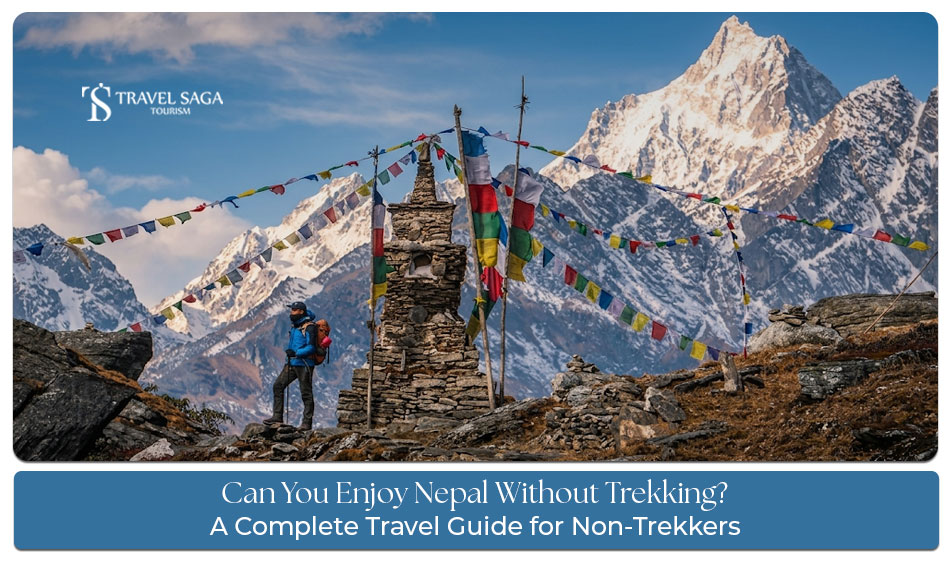
Can You Enjoy Nepal Without Trekking? A Complete Travel Guide for Non-Trekkers

Nepal is one of those destinations that gets reduced to a single image: a trekker with a backpack, somewhere high up in the mountains. It’s an understandable association, but it leaves out most of what the country actually has to offer. Within the Kathmandu Valley alone sit seven UNESCO World Heritage Sites. The southern lowlands shelter one-horned rhinos and Royal Bengal tigers. Pokhara offers some of the most dramatic mountain views in Asia from the edge of a lake. And Lumbini, the birthplace of the Buddha, draws pilgrims from across the world to a site that is entirely flat and entirely profound. Nepal rewards travellers who never lace up a pair of hiking boots, and that is exactly what this guide is about. Read more about Nepal travel without trekking in detail. 

What To Do in Nepal Besides Trekking

Nepal has seven UNESCO World Heritage Sites in the Kathmandu Valley alone, a national park teeming with wildlife, one of the most scenic lakeside towns in Asia, and a cultural depth that most first-time visitors barely scratch the surface of. What to do in Nepal travel without trekking is a question more travellers are asking, and the answer is much more interesting than most people expect. Check out International Tour Packages to learn more about our other packages. 

Enquire - Nepal Tour Package

Kathmandu: The Cultural Heart of Nepal

Kathmandu is home to one of the most ancient stupas and temples. These monuments aren’t anything like anywhere else in the world. 

Temples, Stupas and Ancient Squares

Kathmandu is a city that earns your full attention even if you never leave its streets. The Kathmandu Valley holds more temples, palaces, and heritage monuments than most countries possess in their entirety. Pashupatinath Temple, one of the most sacred Shiva temples in the world, sits on the banks of the Bagmati River and draws thousands of Hindu pilgrims every day. Watching the evening aarti ceremony here is one of those experiences that stays with you.

Boudhanath Stupa, one of the largest in Asia, draws you in immediately. Sitting at a café on the stupa’s outer ring as monks complete their prayer circuits is genuinely calming. Swayambhunath, the Monkey Temple, offers hilltop views over Kathmandu alongside a deeply spiritual atmosphere. Bhaktapur Durbar Square, a short drive out, feels like a completely separate medieval city, with intricate woodcarvings and pottery workshops that have operated for generations.

None of this requires a single step of trekking. If you want a proper sense of what two days in Kathmandu can look like, Kathmandu 2-Day Itinerary in a way that is genuinely useful for planning.

Pokhara: Nepal’s Most Relaxed City

Lakeside Views Without Any Altitude Gain

Pokhara is where Nepal travel without trekking truly comes into its own. The city sits beside Phewa Lake, and the reflection of the Machhapuchhre, or Fishtail Mountain, on the water’s surface on a clear morning is one of the most quietly stunning sights in all of South Asia. You do not need to hike anywhere to see it. A lakeside café or a slow boat on the water gets you there just as well.

Sarangkot, a short drive from Pokhara, is one of the best sunrise viewpoints in Nepal. You drive up, watch the Annapurna range light up in the early morning, and drive back down in time for breakfast. No overnight trek, no camping gear, no altitude sickness. Know more about Nepal tour packages without trekking when you contact Travel Saga Tourism

Things to Do in Pokhara Beyond the Trails

Pokhara itself offers more than most people realise. Devi’s Falls, Gupteshwar Mahadev Cave, Bindabasini Temple, and Barahi Temple on a small island in Phewa Lake all make for a full day of easy, unhurried exploration. Boating on the lake in the morning is the kind of slow experience that reminds you why you travel in the first place.

Most Nepal Tour Packages include Pokhara as a core destination precisely because it works for every kind of traveller, not just those who trek.

Chitwan National Park: Wildlife Over Altitude

Nestled in Nepal’s subtropical lowlands, Chitwan National Park proves that the country’s greatest wildlife treasures thrive at sea level rather than alpine peaks. As a UNESCO World Heritage Site, this lush sanctuary is a major conservation success story, serving as one of the last major strongholds for the endangered Greater One-Horned Rhinoceros and Royal Bengal Tiger. Explore the Nepal tour packages from India without trekking when you wish to book in advance. If you plan your travel during the month of February, read Nepal in February to make your travel smooth and hassle-free. 

Jungle Safaris and the Tharu Culture

If Kathmandu is Nepal’s cultural centre and Pokhara is its scenic retreat, Chitwan National Park is its wild side, and it has nothing to do with mountains or trekking. Chitwan is a UNESCO World Heritage Site in Nepal’s southern lowlands, home to the one-horned rhinoceros, the Royal Bengal Tiger, gharial crocodiles, and hundreds of bird species. A jeep safari through the jungle at first light, when the park is quiet and the animals are active, is one of those experiences that completely reframes what a Nepal trip can be.

In the evenings, attending a Tharu cultural programme, where local communities perform their traditional stick dance and share their heritage, adds real depth to the visit. For travellers putting together a full Nepal itinerary, you can browse International Holiday Packages to see how Chitwan fits into a wider trip.

Nagarkot and Lumbini: Two Experiences Worth Adding

Himalayan Views Without the Trek

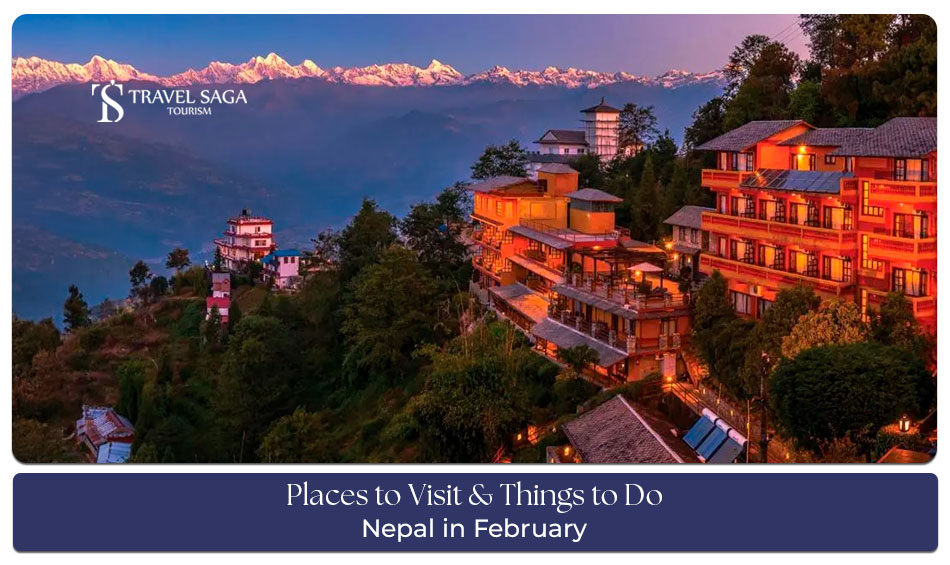
Nagarkot, 30 kilometres from Kathmandu, is one of the best spots in Nepal for panoramic Himalayan views, including a clear line of sight to Everest on a good day. You stay overnight, watch the sunrise over the eastern Himalayas, and return to the city in the morning. The effort is minimal, but the payoff is not. This is one of the best things when you ask what to do in Nepal besides trekking.

Lumbini: The Birthplace of the Buddha

Lumbini, the birthplace of Siddhartha Gautama, is one of the most significant pilgrimage sites in the world. The Maya Devi Temple, the sacred garden, and the international monasteries built by Buddhist communities from Japan, China, Thailand, and Sri Lanka make it a quietly powerful place to spend a day. It is flat, accessible, and entirely at your own pace. 

Note: Read more about Nepal Travel Checklist For International Travellers, before travelling to ensure the trip goes smoothly. 

Nepal Tour Packages from India Without Trekking

A Natural Choice for Indian Travellers

For Indian travellers in particular, Nepal sits in a uniquely comfortable position. No visa is required for Indian citizens, flights from major cities are frequent and affordable, and the cultural overlap makes Nepal feel accessible in a way that many international destinations do not. Nepal Tour Package From UAE are structured around Kathmandu, Pokhara, and Chitwan, with optional stops at Nagarkot or Lumbini, depending on trip length.

These packages work particularly well for families with senior travellers, couples, and anyone who wants an international holiday that feels immersive without being physically demanding. If you want to see exactly how a structured week in Nepal is put together, the Nepal Tour Package Guide walks through it day by day.

Conclusion

Nepal proves that you don’t need a backpack or hiking boots to experience the true essence of the country. This blog covers a new side of this country, Nepal travel without trekking. From the medieval squares of Kathmandu and the quiet lakesides of Pokhara to the rhino-filled jungles of Chitwan, its highlights are entirely accessible by car and boat. It stands as a perfect, low-effort destination for families, couples, and cultural travellers who prefer comfort over high-altitude endurance. By booking a tailored itinerary through platforms like travelsaga.com, you gain the time to truly appreciate a deeply spiritual heritage and dramatic scenery at your own pace. Ultimately, it’s a diverse, accessible journey that rewards curiosity far more than physical exertion.

Read More Blogs:

Do UAE Residents Need a Visa for Nepal Travel? Complete Guide

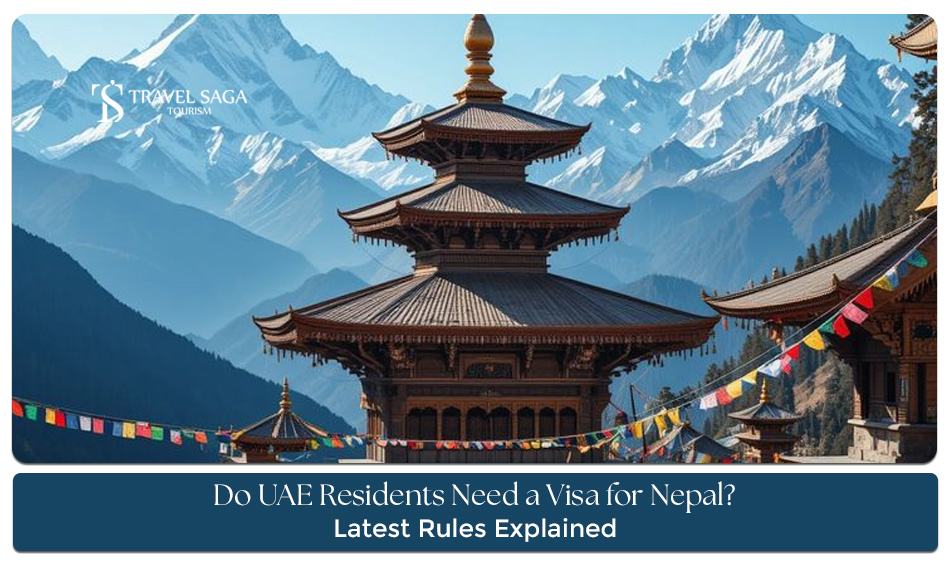
Do UAE Residents Need a Visa for Nepal? Latest Rules Explained

Many UAE residents planning to visit Nepal are unsure about whether they need a visa or not. Moreover, the answer depends on your passport. Do UAE residents need a visa for Nepal? In most cases, yes! Furthermore, don’t worry about it because the process is simpler and faster. Check out this guide and know about the latest Nepal visa rules, how to apply, what documents you need, and what changes have come into effect recently.

Nepal Visa Options Available for UAE Residents

Visa on Arrival at Kathmandu Airport

At Tribhuvan International Airport in Kathmandu, Nepal, you will get your visa. Moreover, this visa can be obtained directly from the immigration counter upon arrival of UAE residents who do not have an Indian passport. The payment can be done via USD, EUR, GBP or Indian Rupees. Bring only the cash needed; change may not always be available at the counter.

Nepal e-Visa: The Faster Option

If the UAE residents want to save time in airport queues, they should opt for the Nepal e-visa. What were the updated visa norms for citizens of UAE to Nepal? Department of Immigration Nepal processes e-visas in 3-5 working days from the official website of the DoI. Applicants submit a passport-size picture, fill out the application form digitally, pay using a card and download the approval PDF. Moreover, the e-visa will be printed and given at immigration. It is only available for individual tourists.

How to Get a Nepal Visa from UAE

After getting a Nepal visa, you can easily book the Nepal tour package from UAE. Here is the step-by-step process. 

1st Step: Visit the official website of the Nepal Department of Immigration portal. 

2nd Step: The second step is to create an account and complete the online application form accurately. 

3rd Step: Third, upload a recent passport-size photo with a white background.

4th Step: Fourth, pay the visa fee online using a valid international debit or credit card. 

5th Step: Fifth, download and print your e-visa approval letter. Apart from this, carry this document alongside your original passport when you travel. With this, also check out the Nepal travel checklist for international travellers

Enquire - Nepal visa from UAE 

Documents Required for the Nepal Visa Application

It is quite simple to obtain an international visa. The passports are required to be valid for at least 6 months with a return air ticket and hotel booking address in Nepal, while a recent passport-size photograph is compulsory. Moreover, UAE residency visa is not compulsory during the application process, but it is advisable to keep it with them while they are travelling. To obtain a visa for Nepal from UAE without hassle, make sure the application is made with all the proper documents on the first attempt; otherwise, it will have to go through the entire process again.

Latest Nepal Visa Rules for UAE Residents

What Has Changed Recently

What are the latest Nepal visa rules for UAE residents? As of 2026, Nepal has not introduced any new visa category specifically for UAE residents. The existing on-arrival and e-visa pathways remain active. However, Nepal has been piloting a biometric data collection system at Tribhuvan International Airport. First-time visitors may be asked to provide fingerprints at immigration. Additionally, overstaying a Nepal visa now attracts a penalty of USD 3 per day for the first 15 days, increasing to USD 5 per day beyond that.

Visa Extensions and Transit Rules

The current rules of Nepal visa extension for UAE citizens? Tourist visas are issued at D.O.I, Kathmandu and Pokhara during the stay in Nepal. Moreover, the visa may be extended for an additional 15 days for a fee of USD 45, and a request must be made prior to the expiration of the initial visa. Is a visa required for Nepal for transit in UAE? Yes, even if you have a short layover at Tribhuvan International Airport, you must obtain a visa. At last, the Kathmandu airport does not have an airside transit zone.

Note: For accurate and current Nepal visa information, fees, and processing timelines, visit the official Nepal Department of Immigration website

Currency and Customs Rules

Knowing how to get a Nepal visa from UAE also means understanding the currency advantage. One AED equals approximately 38.23 Nepalese Rupees, which makes Nepal genuinely affordable for UAE-based travellers. What are the latest Nepal visa rules for UAE residents on currency? There are no restrictions on foreign currency brought into Nepal, though amounts above USD 5,000 must be declared at customs upon arrival. With this, also check out what to expect from a Nepal tour package from UAE

The Indian Passport Exception Explained

There is a special category of people who are Indian citizens residing in the UAE. Is it possible to obtain a visa for Nepal by applying from UAE with an Indian passport? No, Indian citizens can move freely in Nepal as per the Indo-Nepal Treaty of Peace and Friendship. Do not need a visa and do not need to be registered beforehand. Land crossings can be made with a valid government-issued photo ID. Additionally, Indian citizens are required to have an Indian passport or a voter’s identity card for air travel. This exemption has been in effect for many years.

Plan Your Trip with a Nepal Package from the UAE

If you are planning a trip beyond just the visa process, a structured Nepal tour package from UAE simplifies everything. Moreover, our agency offers Nepal packages starting from 893 AED, covering 6 nights across Kathmandu, Pokhara, and Nagarkot. Inclusions cover accommodation, welcome dinner, guided sightseeing, boating in Phewa Lake, airport transfers, and visa assistance. However, the flights are excluded. Packages are available for couples, families, and solo travellers, with customisation options for trekking, wildlife safaris, and cultural stops.

Best Time to Visit Nepal from the UAE

The best time to visit Nepal from the UAE is October to November for trekking and clear mountain views, and March to May for milder temperatures and blooming rhododendrons. Moreover, temperatures during peak season range from 10 to 14 degrees Celsius. The monsoon runs from June to September, bringing heavy rainfall that affects trekking routes significantly. UAE residents who plan around these windows get the most from Nepal’s landscapes and outdoor experiences. With this, also check out places to visit and things to do

Conclusion

I hope now you know that the UAE residents need a visa for Nepal. Moreover, make sure to submit the documents on time with accurate information. The e-visa processes in 3 to 5 days, on-arrival takes under 30 minutes, and Indian passport holders need no visa at all. So, apply for the visa and book a tour package at travelsaga.com

Read More Blogs:

Nepal Holiday Packages for UAE Travelers

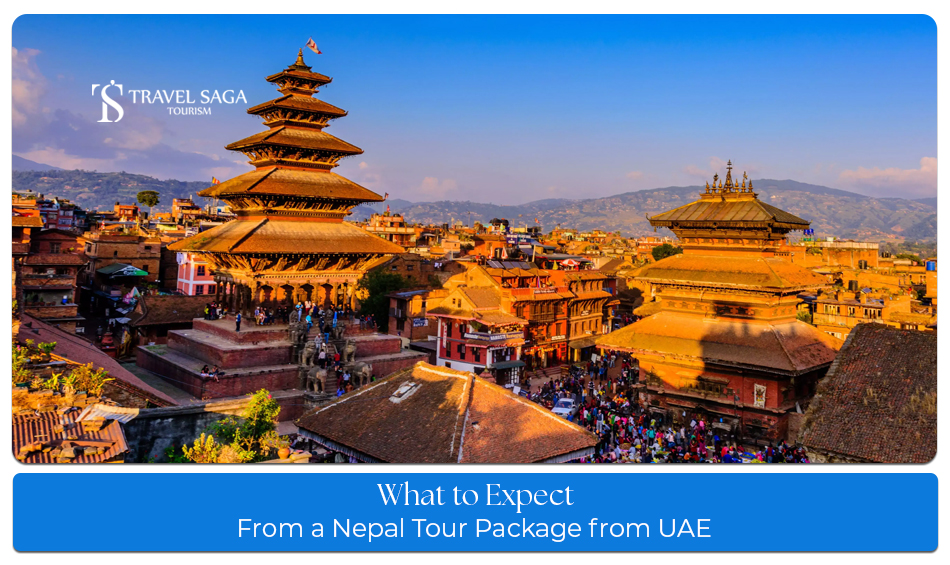
What to Expect from a Nepal Tour Package from UAE?

For residents of the UAE, the contrast between the gleaming skyscrapers of Dubai and the rugged, snow-capped peaks of the Himalayas couldn’t be sharper. This dramatic change in scenery is precisely why Nepal has become one of the most sought-after getaway destinations for those living in the Emirates. Only a few hours away by flight, Nepal offers a world of ancient spirituality, lush jungles, and some of the highest mountains on Earth. If you are planning to swap the Arabian Gulf for the Himalayan foothills, here is a comprehensive guide on what to expect from a Nepal tour package from the UAE.

Seamless Connectivity and Short Travel Time

One of the biggest advantages of choosing Nepal for your next holiday is the ease of travel. From major UAE hubs like Dubai and Abu Dhabi, you can find direct flights to Kathmandu’s Tribhuvan International Airport (TIA). Airlines such as Flydubai, Air Arabia, and Emirates operate regular routes, with a flight time of approximately 4 to 5 hours.

This short duration makes Nepal an ideal destination not just for long vacations, but even for extended weekend trips. When booking a package, you can typically expect your airport transfers to be pre-arranged, ensuring that your transition from the aircraft to your hotel in the bustling streets of Kathmandu is smooth and stress-free. Travellers looking for curated Himalayan holidays can also explore International tour package from UAE options that combine comfort, sightseeing, and guided experiences.

A Diverse Geographic and Cultural Itinerary

Nepal is far more than just Mount Everest. A well-structured tour package usually balances three distinct regions: the cultural heart of Kathmandu, the scenic lakeside of Pokhara, and the wild plains of Chitwan.

Kathmandu: The Gateway to History

Your journey almost always begins in the capital. Expect to be immersed in a city where medieval architecture meets modern life. Most packages include guided tours of UNESCO World Heritage Sites such as:

  • Pashupatinath Temple: A sacred Hindu temple complex on the banks of the Bagmati River.
  • Boudhanath and Swayambhunath (The Monkey Temple): Iconic stupas that serve as the centre of Tibetan Buddhism in Nepal.
  • Bhaktapur Durbar Square: An ancient city within a city, famous for its woodcarvings and pottery.

Before exploring the capital, travellers can benefit from reading Kathmandu 2 Day Itinerary: Complete Guide to the City to better understand the best attractions, cafés, and cultural experiences in Kathmandu.

Pokhara: The City of Lakes

A few hours’ drive or a short domestic flight from Kathmandu takes you to Pokhara. This is the relaxation capital of Nepal. You can expect peaceful mornings watching the sunrise over the Annapurna range from Sarangkot and quiet afternoons boating on Phewa Lake. The reflection of the “Fishtail” mountain (Machhapuchhre) on the water is a sight you won’t soon forget.

Travellers planning a Himalayan getaway can also compare packages through Nepal tour packages from India for additional itinerary inspiration and regional travel ideas.

Chitwan: The Jungle Adventure

If you opt for a longer package (usually 6 nights or more), you will likely head south to Chitwan National Park. This is a complete shift from the mountains to the subtropical inner Terai. Here, you can expect jungle safaris on jeeps or guided nature walks to spot the one-horned rhinoceros, various species of deer, and if you’re lucky, the Royal Bengal Tiger.

Adventure seekers often combine such wildlife experiences with broader International tour packages from India, selections for multi-country South Asian travel experiences.

Spiritual and Scenic Highlights

Nepal offers a profound sense of peace. For those coming from the fast-paced lifestyle of the UAE, the spiritual atmosphere of the monasteries and the silence of the mountains offer a much-needed reset.

Many packages include a visit to Nagarkot, a hill station on the rim of the Kathmandu Valley. It is famous for providing one of the broadest views of the Himalayas. Waking up here to see the first light of dawn hit the peaks is a highlight for most travellers. Additionally, for those seeking a deeper spiritual connection, visits to Lumbini, the birthplace of Lord Buddha, can often be integrated into customised itineraries.

If you are planning a seasonal trip, reading Places to Visit and Things to Do: Nepal in February can help you understand weather conditions, festivals, and the best winter sightseeing experiences.

Accommodations Tailored to Your Comfort

While Nepal is known as a backpacker’s paradise, the tourism industry has evolved to cater to luxury and mid-range travellers from the UAE. You can expect a wide range of stay options:

  • Heritage Hotels: In Kathmandu, you can stay in converted palaces that offer a royal Newari experience.
  • Lakeside Resorts: In Pokhara, modern resorts offer infinity pools overlooking the mountains.
  • Jungle Lodges: In Chitwan, eco-resorts provide a rustic yet comfortable stay deep within the greenery.

Most packages offer a choice between 3-star, 4-star, and 5-star accommodations, ensuring that the level of comfort matches your expectations. Travellers arranging documentation for overseas holidays can also check International visa from UAE services for a smoother travel planning process.

A Culinary Journey: Beyond Dal Bhat

Food is a central part of the Nepalese experience. While “Dal Bhat” (lentil soup and rice) is the national staple, you should expect a variety of flavours.

  • Momos: These steamed or fried dumplings are a crowd favourite and can be found on every street corner and in every luxury hotel.
  • Newari Cuisine: Try the local flavours of the Kathmandu Valley, which often include unique spices and preparations.
  • International Fare: Because Nepal has been a tourist hub for decades, the restaurants in Thamel (Kathmandu) and Lakeside (Pokhara) serve excellent Italian, Israeli, and Indian cuisine, catering perfectly to the diverse palates of UAE residents.

Before travelling, it is also useful to go through the Nepal Travel Checklist for International Travellers to prepare essential documents, weather-appropriate clothing, and travel accessories.

Adventure Activities for Every Level

You don’t have to be a professional mountaineer to enjoy adventure in Nepal. Tour packages usually offer tiered activities:

  • Easy: Boating on Phewa Lake or short hikes to the World Peace Pagoda.
  • Moderate: Paragliding in Pokhara, widely considered one of the best spots in the world for the sport, or a 2-day “soft trek” to Dhampus.
  • Thrilling: For those seeking an adrenaline rush, white-water rafting on the Trishuli River or the famous Everest Base Camp helicopter tour can be added to your itinerary.

Travellers interested in exploring more South Asian destinations can also look into Nepal tour packages from UAE, which include adventure-focused itineraries and customised experiences.

Enquire - Nepal tour packages from the UAE

Ease of Visa and Documentation

For many nationalities residing in the UAE, Nepal offers a Visa on Arrival or a very simple E-visa process. Indian nationals do not require a visa to enter Nepal, making it an incredibly convenient destination for the large Indian expat community in the Emirates. Most tour packages include visa assistance or guidance, ensuring that you have all the correct paperwork before you land. Additionally, travellers planning overseas holidays can explore International visa from India services for broader international travel support.

Essential Packing for the Transition

Coming from the heat of the UAE, the most important thing to expect is a significant drop in temperature, especially at night and in the early mornings.

  • Layering is key: Even if it’s sunny during the day, temperatures in places like Nagarkot or Sarangkot can be chilly.
  • Footwear: Expect to do a fair amount of walking. Sturdy walking shoes or hiking boots are essential for exploring the cobbled streets of the Durbar Squares and the forest trails.
  • Power Adapters: Nepal generally uses Type C, D, and M plugs. While many hotels are international-friendly, carrying a universal adapter is wise.

Conclusion

Nepal is a land of incredible variety, offering a soul-stirring mix of natural beauty and ancient culture. Whether you are looking to trek through the wilderness, explore centuries-old temples, or simply sit by a lake and stare at the mountains, a curated tour provides the structure and comfort needed to make the most of your time.

If you are ready to plan your escape, Travel Saga Tourism offers specialised Nepal tour packages from the UAE that handle everything from visa assistance and hotel bookings to guided sightseeing and local transfers. With their expert planning, you can focus on the experience while they handle the logistics, ensuring your Himalayan adventure is as breathtaking as the mountains themselves. Get directions to our office. 

Read More Blogs:

best countries to visit in March Blog Banner by Travel Saga Tourism

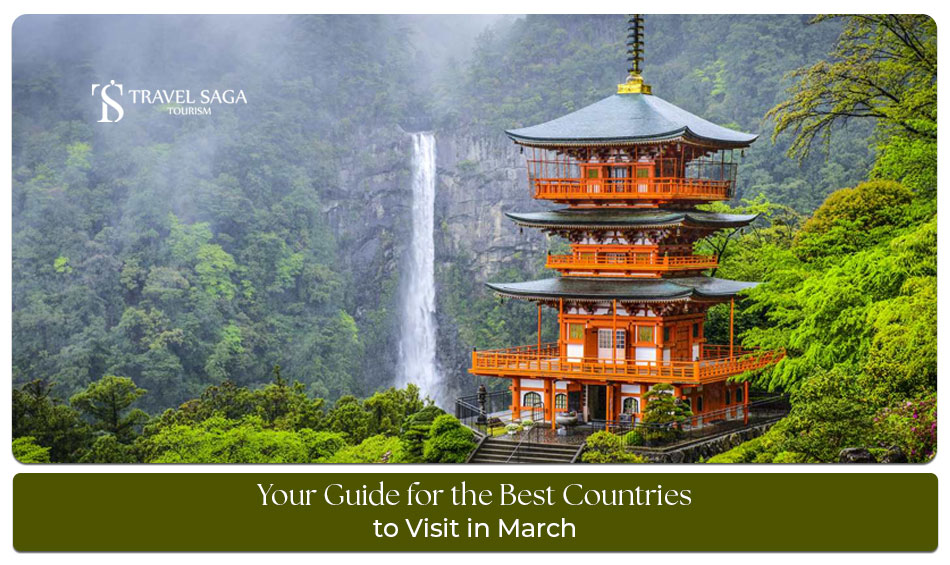
Your Guide for the Best Countries to Visit in March

March makes the traditional transition around the world. Where winter chills fade in the northern hemisphere, cherry blossoms start to bloom, and the tropical destination is entering its dry season. If you are someone who is planning their trip this month but is confused about which March travel destinations are best for you, then don’t worry! This guide will let you know about the best countries to visit in March, the weather conditions, and the activities you can try. 

Explore the Best Countries to Visit in March

We have made a list of the best countries to visit in March and the activities you can try in March holiday destinations, so you don’t have to search for the places and the activities separately: 

Georgia 

Georgia

Georgia is one of the hidden gems ready to be discovered by you. Not one, there are countless reasons to visit this country. From towering mountains to blue rivers, it has everything that a traveller needs. Moreover, Georgia has a rich cultural heritage. While travelling to the country, you will see the largest mountain range in Europe- the mighty Great Caucasus. 

Activities 

  • Cable Car Ride 
  • Trekk to the Mountains 
  • Visit the stunning caves of Gareji 

Sri Lanka

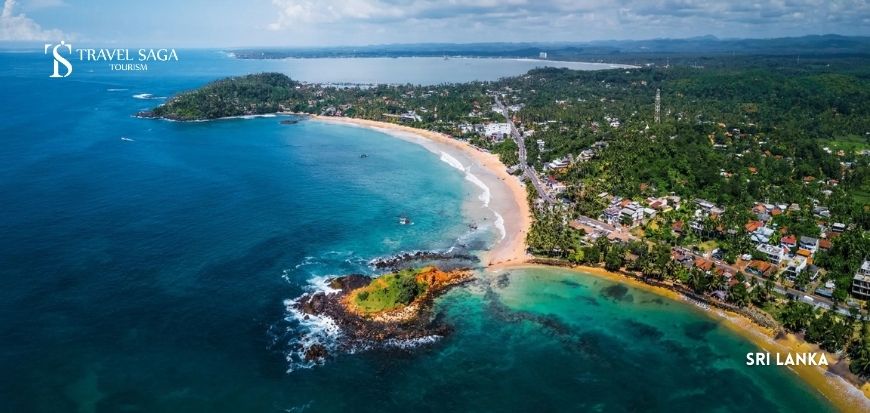
Sri Lanka is one of the best chosen countries in the list of March travel destinations by travellers. Explore the mist-covered mountains and the sandy beaches. Not only this, but you will get to see several epic things in this country. Sri Lanka has pristine beaches where you can relax and try various watersports activities. 

Activities 

  • Bird Watching 
  • Hike on Little Adam’s Hill 
  • Kitesurfing 

Japan 

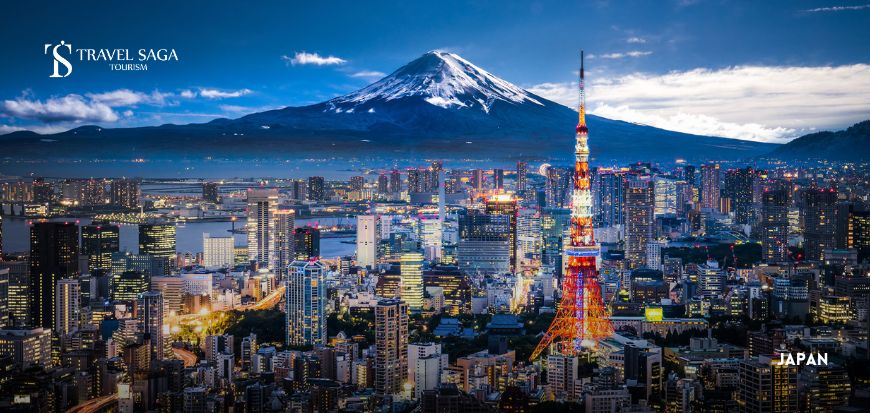
Japan

Japan is a top-tier travel destination which is famous for its breathtaking natural beauty. Moreover, it is one of the cleanest countries, and the people there are very friendly and polite. There are several activities which you can try. It is a country you need to breathe, witness, experience, and feel for yourself. At last, it is a great destination to explore. 

Activities 

  • Skiing and snowboarding 
  • Scuba Diving 
  • Paddle through Lake Shima’s perfectly blue water 

Thailand 

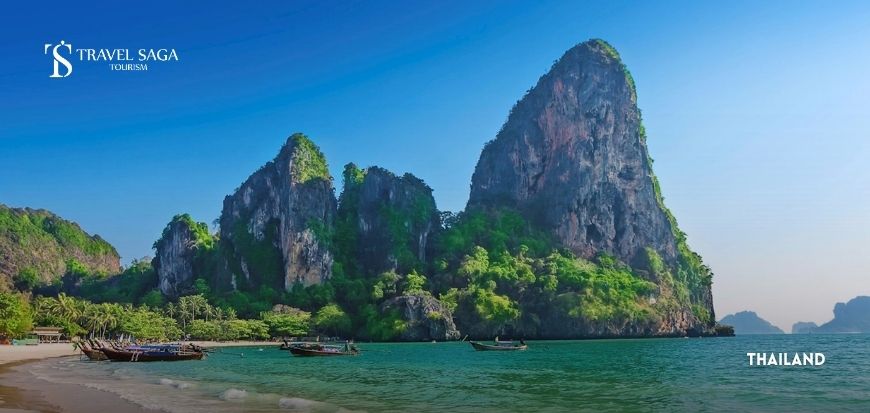
Include Thailand in your March holiday destination. During this time, the weather will be pleasant, which will make your travel experience. Moreover, March is the best time to explore the beautiful beaches and enjoy the astonishing sunsets. Before booking your Thailand tour package from UAE get to know about the activities you can try and customise it according to your travel needs. 

Activities 

  • Ferry ride to the James Bond Islands 
  • Witness the marine life at Underwater World Pattaya 
  • Visit Dolphin World 


Starting Price: 2625 AED
Note: The tour package is customisable, and you can customise it according to your travel needs.

Enquire - Thailand Tour Package from UAE

Nepal

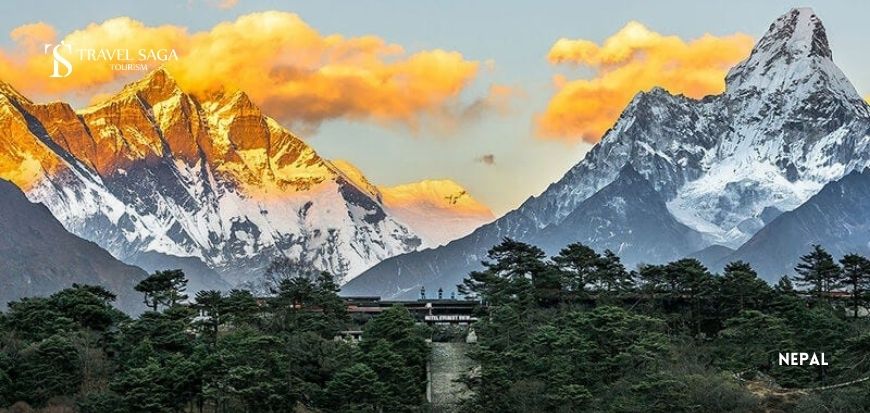
Nepal

Nepal is known as the ‘Land of Gods’. From Himalayan peaks to the unique culinary scenes, you will experience everything in Nepal. Adore the beauty of the Himalayas and get to know about the local culture. Moreover, go on hikes, trek over the mountains, and explore the beauty of the mountains. At last, try the popular dishes of Nepal such as Dumplings, Sel Roti, Chatamari, and Choila. 

Activities 

  • Wildlife Safaris 
  • Trekking and hiking 
  • Boating 

Greece

Greece is filled with ancient history, stunning beaches, and world class mediterranean cuisine. Its pleasant weather makes this place a perfect destination throughout the year. Apart from the activities, enjoy the delicious food as well. Moreover, visitors can explore sites like the Parthenon in Athens, relax on the world-class beaches, and enjoy fresh cuisines. 

Activities 

  • Paragliding 
  • Island hoping 
  • Sea kayaking and sailing 

Singapore 

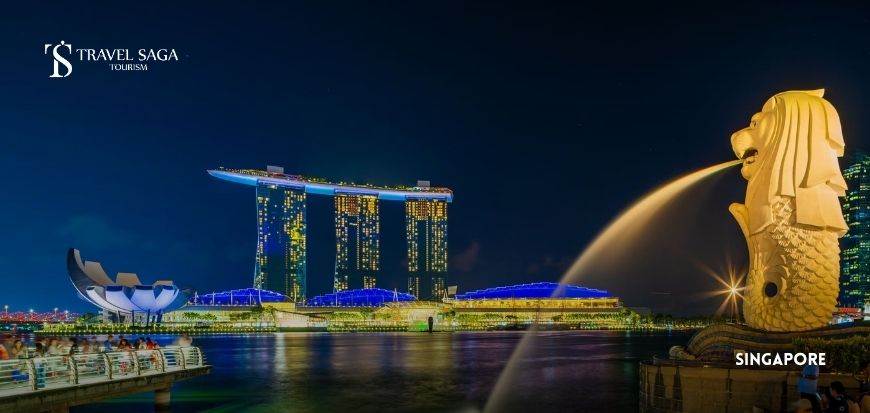
Singapore

Singapore is another country which deserves a chance to be in the list of your March travel destinations. Book your Singapore tour package from UAE in March and enjoy a combination of perfect dry and sunny weather. During this time, there will be no large crowd, so you can enjoy all the activities easily without any rush at lower prices. 

Starting Price: 3746 AED
Note: You can customise your tour package as per your preferences.

Enquire - Singapore Tour Package from UAE

Activities 

  • Snorkelling in Singapore 
  • Cruise over the sparkling blue water 
  • Visit museums and enjoy relaxing at the beaches 

Kazakhstan 

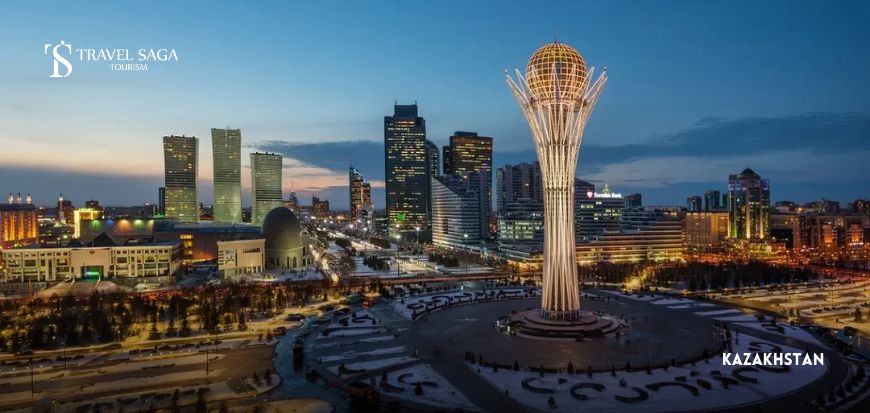
Visit Kazakhstan if you want a unique travel experience and don’t want to visit crowded countries. Kazakhstan is more than the oil reserves and the nomadic past. It has some of the vast landscapes and modern marvels. Moreover, it is a rapidly growing destination which has a unique blend of surreal and untouched nature. 

Activities 

  • White water rafting 
  • Hiking and Skiing 
  • Admire the futuristic architecture 

🌏 Countries 

🌡️ Temperature 

🏢 Best For 

Georgia 

10°C to 15°C 

Adventure, Natural Wonders, and Culinary Immersion 

Sri Lanka 

24°C to 30°C 

Wildlife safaris, beaches, and water sports 

Japan 

10°C to 15°C 

Nature and diverse landscapes 

Thailand 

26°C to 31°C 

Stunning white beaches, water sports activities, and vibrant nightlife 

Nepal 

8°C to 28°C 

Himalayan views and wildlife viewing 

Singapore 

25°C to 30°C 

Iconic skyline and perfect combination of nature and technology

Greece 

10°C to 18°C 

Romantic Escapes, ancient history and culture, and nature 

Kazakhstan 

-5°C to 16°C 

Untouched nature and deep nomadic heritage

A Turning Point For Travel Decisions In 2026?

The current disruption may prompt travellers to reassess geopolitical risk while planning holidays. Flexible booking policies, refundable tickets, and dynamic travel insurance products could become more attractive moving forward. Travel agencies are already reporting an increase in inquiries for destinations perceived as stable and geographically distant from conflict zones.

Final Thoughts 

Hopefully, now you know which are the best countries to visit in March. This weather is perfect for all the activities and exploring the hidden gems of the country. Moreover, include all this in your March travel destination list. Book your March adventure now ✈️ with travelsaga.com and give us a chance to make your journey bloom!

Nepal travel checklist blog banner by Travel Saga Tourism

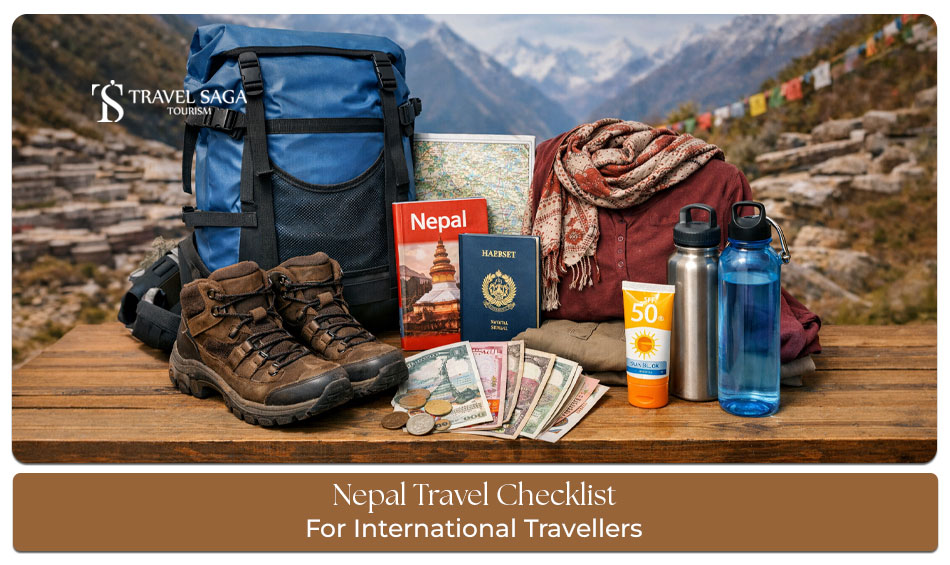
Nepal Travel Checklist for International Travellers

Do you also experience that sudden, mid-journey panic when you realise you left something crucial at home? Then you are not the only one; it happens due to the excitement of the trip. Packing is the least favourite thing for all travellers. Due to this, we have made this Nepal travel checklist to make your trip experience smooth and hassle-free.

Additionally, go through these Nepal travel tips and make some unforgettable memories which you will cherish throughout your life. At last, this Nepal travel guide also includes why you should give this country a spot in your travel list.

Why You Should Visit Nepal?

Nepal

Nepal is one of the countries in the world where you can experience Himalayan peaks, spirituality, diverse wildlife, unique culinary scenes, and warm hospitality- all in one.

Here’s why Nepal deserve a spot in your travel list: 

  • Home to Mount Everest 🏔️, the world’s tallest mountain. 
  • Spiritual hub 🛕 with sacred sites like Pashupatinath temple. 
  • An iconic trekking route, such as the Annapurna Circuit. 
  • Wildlife adventure 🌲 in Chitwan National Park.

Essential Nepal Travel Tips 

The following are the things you need to include in your Nepal travel checklist before opting for a Nepal tour package from UAE

Starting Price: 893 AED
Note: Your travel plan is fully customisable to suit your interests and preferences!

Enquire - Nepal Tour Package from UAE

Documents

  • A passport that has a validity of at least 6 months 
  • Confirmed flights and hotel booking 
  • Photocopies of all the necessary documents 
  • Visa of Nepal (visa-on-arrival is also available at Tribhuvan International Airport, Kathmandu
  • Passport-sized photographs 
  • Travel insurance 

Clothing

The weather in Nepal varies with altitude, so you need to pack clothes for the season and the places you plan to visit. With lightweight clothing, it is advisable to pack layers because the weather is different in the mountains. Below, we have mentioned the type of clothes you should pack for trekking and exploring the cities.

For Trekking 

  • Hiking boots 
  • Thermal layers
  • Warm jacket or coat 
  • Wool hiking socks 
  • Waterproof bag pack 
  • Windproof rain gear

For Cities

  • Light clothing for summers
  • Layers for the winters 
  • Comfortable shoes 
  • Sleeping clothes 

Money & Payment 

During your international tour packages, money and payments are one of the important factors that will help you throughout your trip: 

  •  Nepalese rupee (NPR) for daily expenses 
  • Small bills for local shops 
  • International debit and credit card 
  • Inform your bank in advance 
  • Cash is preferred in rural areas

Note: You can customise your itinerary according to your interests!

Enquire - International Tour Package

Religion and Culture

  • Dress modestly in public places 
  • Remove shoes before visiting the temples and the local houses
  • Always ask for permission before clicking photos at the historic places
  • Keep your voice low in the temples and public places 
  • Do not bring or consume illegal items like drugs or narcotics

Health and Safety Essentials

  • Personal medication 
  • First aid kit 
  • Sunscreen 
  • Reusable water bottles 
  • Lip balm 
  • Sanitizer 
  • Always carry a mosquito repellent 

Tech and Connectivity 

  • Adapter 
  • Local sim card 
  • Offline downloaded maps 

Best Time to Visit Nepal 

Check the table below to find the ideal seasons for your trip to Nepal:

Season 

Months 

Temperature 

Activities 

Autumn 

September to November 

10°C to 25°C

  • Trekking
  •  Paragliding
  •  Wild safaris 

Spring 

March to May

24°C to 30°C

  • Hiking 
  • White Water Rafting 
  • Helicopter Tours 

Final Thoughts 

Hopefully, through this Nepal travel guide, you get the idea about what the essential things are which you need to pack while planning a trip to Nepal. Moreover, this Nepal travel checklist will also enlighten you about the best time to visit this beautiful country. So, what are you waiting for? Book your trip now with travelsaga.com.

Read More Blogs:

Kathmandu 2 day itinerary Blog Banner by Travel Saga Tourism

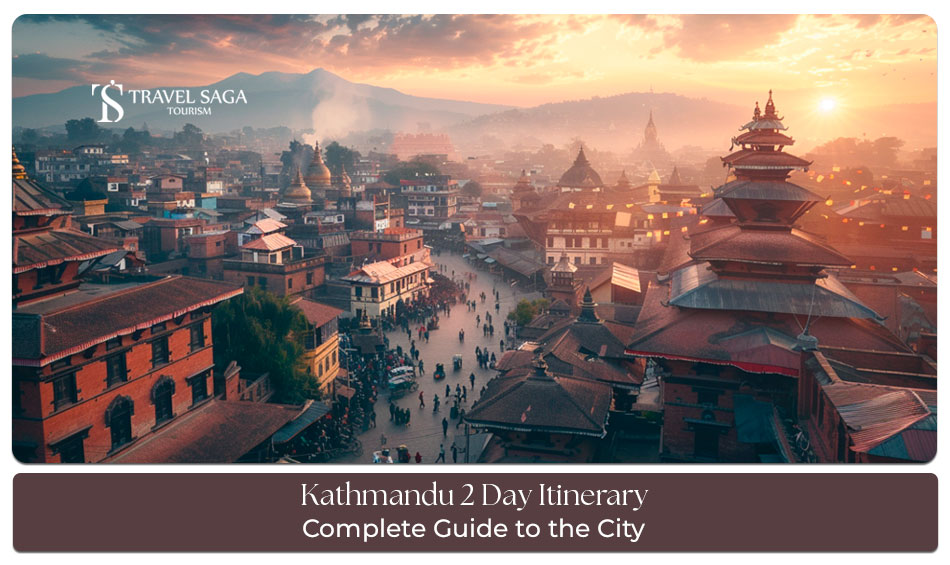
Kathmandu 2 Day Itinerary: Complete Guide to the City 

Kathmandu is the city of temples, miracles and endless ancient stories. The city is also known as the city of glory, where great kings established their rule and whatnot. From the food to the tourist sites, everything is famous and draws us to this city. So, for your trip, here is a perfect Kathmandu 2 day itinerary which will help you to have the best experience.

Kathmandu 2 Day Itinerary: Maximise Your Short Stay 

If you are spending 2 days in Kathmandu, do not try to conquer the city. Let the city unfold and surprise you. So, to make the best of the holiday and know about the famous places to visit in Kathmandu in 2 days, here is a blog which will help you in the journey. So for a seamless trip, book a Nepal tour package from UAE 2026 and relax with your loved ones.  

Starting Point: 893 (AED)
Note: Adjust your itinerary to suit your personal travel plans!

Enquire - Nepal Tour Package

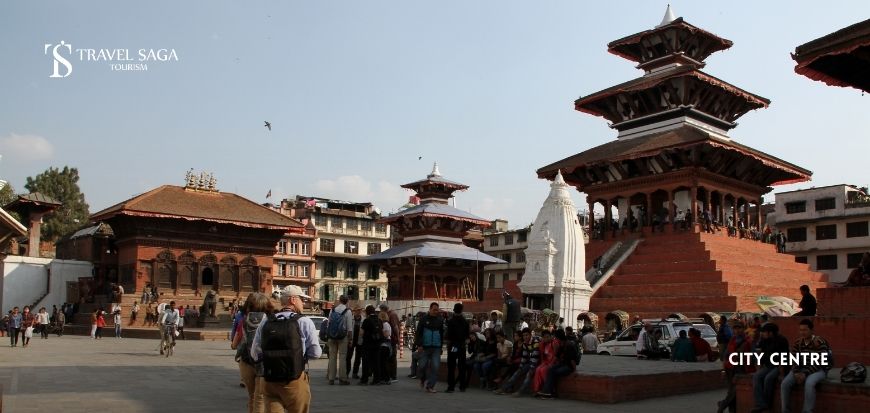
Day 1: Visit the City Centre  

City Centre

On the first day of your Kathmandu itinerary for first time visitors, consider visiting spiritual and historical places. These places are:

  • Swayambhunath: Which is also known as the Monkey Temple, is an ancient Buddhist stupa and a UNESCO World Heritage site. It is home to families of wandering monkeys, and it is one of the oldest known stupas in Nepal. It was built by the Nepali prince for his wife in the 4th Century. Enjoy the beautiful panoramic views of the city from the temple as you climb 365 steps.
  • Kathmandu Durbar Square: Once the royal palace, Kathmandu Durbar Square is more than just a monument; it’s a living museum. With over 50 temples, it represents the historic heart of the city. It is Kathmandu’s must-see places which you should not miss out.
  • Thamel: After exploring all these places, you must be hungry and need a quick break. So that would be better than Thamel, a place filled with shops, restaurants and hotels. You can also purchase pashmina, handicrafts and souvenirs. This place also offers a lively nightlife, so do not miss out on this place in your 2 days in Kathmandu.

Day 2: Cultural and Heritage  

Cultural and Heritage

There are many places that you should include in your Kathmandu 2 day itinerary. So here are the places that you can consider visiting on your 2nd or last day on the tour. Book your international tour packages with us and have a hassle-free experience.

  • Pashupatinath Temple: Begin your morning by visiting the famous and most sacred Hindu temple of Lord Shiva. You can relax near the Bagmati River and have some spiritual experience.
  • Boudhanath Stupa: The inclusion of this place in your Kathmandu itinerary for first-time visitors will make your trip fun. This is one of the largest stupas in the world and also the heart of Tibetan Buddhism in Nepal. You can have lunch near the temple and enjoy the calmness and peace of the place.
  • Explore Surroundings: After visiting the famous temples, you can relax and explore the local market and cuisine. Enjoy the famous butter tea or coffee, and enjoy the leisurely Kathmandu 2 day itinerary.  

So, after reading this blog, you must have an idea of places to visit in Kathmandu in 2 days, but what is the best time to visit Kathmandu?

There are 3 main seasons in which you can visit Kathmandu.

  • 🍁 Autumn (October – November): If you are planning 2 days in Kathmandu, then you can visit during these months. The weather is suitable, which will help you explore the city comfortably. There are many festivals that you can enjoy during this time.  
  • 🌸Spring (March – May): The weather is pleasant, the temperature lies between 16–28°C. There is clear visibility of the mountains, which is great for trekking.  Rhododendrons, the national flower of Nepal, also bloom during this time.
  • ❄️ Winter (December- February): If you have planned your Kathmandu 2 day itinerary, according to this time, then it is perfect since there are fewer crowds and stunning mountain views. Do not forget to capture the beautiful scenic views.

Note: Avoid the monsoon, i.e., between June and August. There is intense rainfall, which would make your travel difficult and could alter your itinerary.

Watch the video below for a real-life glimpse of the tour experience.


Conclusion
  

Through this blog, the places which you can consider visiting must be clear. It is essential to make a plan of the Kathmandu itinerary for first time visitors efficiently. Therefore, for the perfect trip, contact Travel Saga Tourism and make your travel plans easier. Explore the city with an open heart, patience and curiosity and then the city will give you stories that you will carry with you forever.

Read More Blogs:

Nepal in February Blog Banner by Travel Saga Tourism

Places to Visit and Things to Do: Nepal in February

Planning to travel somewhere that makes you feel relaxed in the lap of nature itself this vacation? Nepal is the perfect choice for nature lovers, with the diverse landscapes ranging from the world’s highest peak, Mount Everest, to tropical jungles. Experiencing Nepal in February is peaceful, fulfilling, and relaxing as a tourist destination. With winter finally becoming softer, Travel Saga lets you get the most out of your travel packages. The guide provides you with everything you need to know about Nepal. 

Why only February for Nepal? 

February does not have the extremes that characterise other seasons of travel in Nepal. For instance, the severity of deep winter has already passed, and the spring rush has not yet commenced. Destinations become accessible, travel arrangements can be handled easily, and the experience is not overcrowded. Ultimately, the balance is what makes the month of February the most feasible and fun month to visit the country.

Starting Price: 893 AED
Note: You have the option of customising your itinerary according to your travel plans!

Enquire - Nepal Tour Package

Best Activities to Do

When travelling to a foreign land, the first thing that comes to mind is what kind of activities one can enjoy. So first things first, we are going to talk about the variety of activities that you can do for fun. Nepal in this month is all about experiencing the variety of natural activities as the season becomes slightly warmer. Thus, providing people with the perfect opportunity for trekking, sightseeing and many more. With that in mind, here are some of the best things to do in Nepal in February.  

Trekking & Nature Walk 

Trekking & Nature Walk

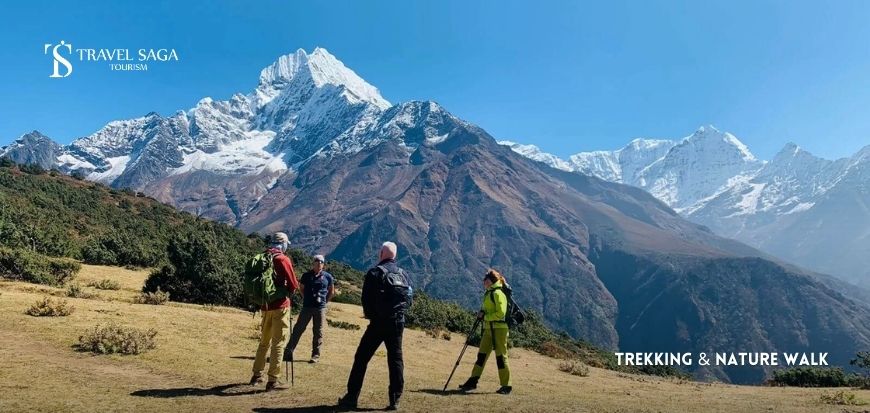
February is the perfect month for mid and low altitude trekking because the trails are clear and visibility is good. In the case of low temperatures, trekking is not a good idea. Instead, taking a walk to the forest, mountain trails, and the village would be an ideal option. 

Cultural Sightseeing

Cultural Sightseeing

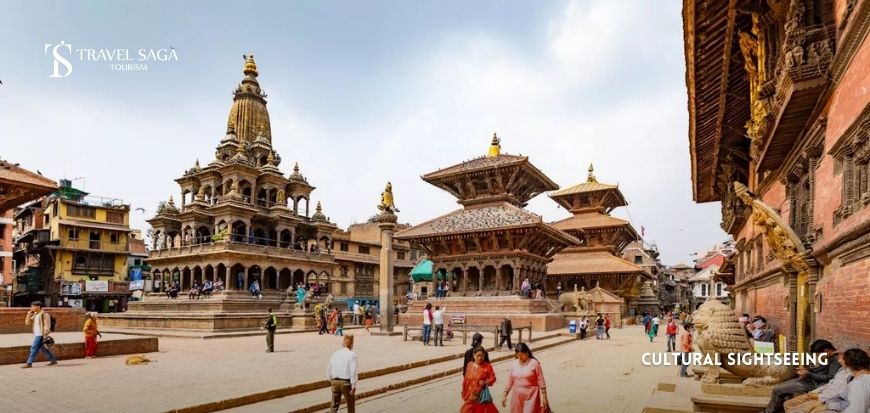
Visiting heritage sites in February is relaxing and enriching. Visiting temples, monasteries and historic towns such as the Durbar Squares of Kathmandu, Patan, and Bhaktapur at a slow pace is generally a good idea. This gives the opportunity to the visitors to witness the rituals, architecture and tradition of Nepal closely. 

Wildlife Exploration

Wildlife

This month has dry weather conditions and good visibility, which makes it the best time for visiting places like national parks and zoos. Exploring such places is not possible in extreme conditions, such as heat and humidity. Nepal weather in February is suitable for sightseeing and wildlife exploration. Bengal tigers and one-horned rhinos are the top attractions during this time of the month.  

Best Places to Visit

Without the proper knowledge of what places to visit and where to go, a trip can be a disaster. Therefore, to cover such hassles, Nepal Holiday Packages are the best option as it covers everything necessary. Here are some of the best places to visit in Nepal in February. 

Kathmandu

Kathmandu

The capital city, Kathmandu, is full of beautiful places where you can find everything, ranging from heritage squares and temples to traditional neighbourhoods. Pashupatinath Temple, Boduhanath Stupa, and Swayamhunath Stupa are must-visit places where you can enjoy and learn about the culture of Nepal in depth. Additionally, with the clean climatic conditions, you will get a good opportunity of learning more about history and life in the city. 

Pokhara 

Pokhara

Situated in central Nepal, Pokhara is a city on Phewa Lake, famous for Himalayan trails. Nepal weather in February is ideal for visiting such a location and the peaceful lakeside ambience. Activities such as short hiking and boating are peaceful in these months as compared to the peak season. 

Chitwan National Park 

Chitwan National Park

National parks are always the best option in February. Because the weather in this month is not only suitable for humans but also suitable for animals. Therefore, they will come into open areas more, and thus you can see them more often. Opting for Nepal Holiday Packages from UAE covers all such adventures for you.  

Witness the Allure of Maha Shivratri

Shivratri is not only celebrated with a lot of joy and excitement in India, but also in Nepal as well. Consequently, Maha Shivratri is one of the most important festivals of the country. Fortunately, in 2026, Maha Shivratri is scheduled in February according to the Hindu calendar, making it advantageous for your trip. Furthermore, the festival will provide you with a wonderful insight into the festivals of Nepali Hindu culture and tradition. 

Watch the video below for a real-life glimpse of the tour experience.


Conclusion

In February, Nepal became one of the best travel destinations for people all over the world. Indeed, the month is suitable for a balanced and rich travelling experience. Hence, it offers you pleasant weather, fewer crowds, cultural events and other wonderful experiences. Travel Saga Tourism packages cover all your requirements to make your tour to Nepal unforgettable. Book your package now and embark on a worldwide journey. 

Read More Blogs: