
How to Plan Your Dubai Tour Package from Kenya?
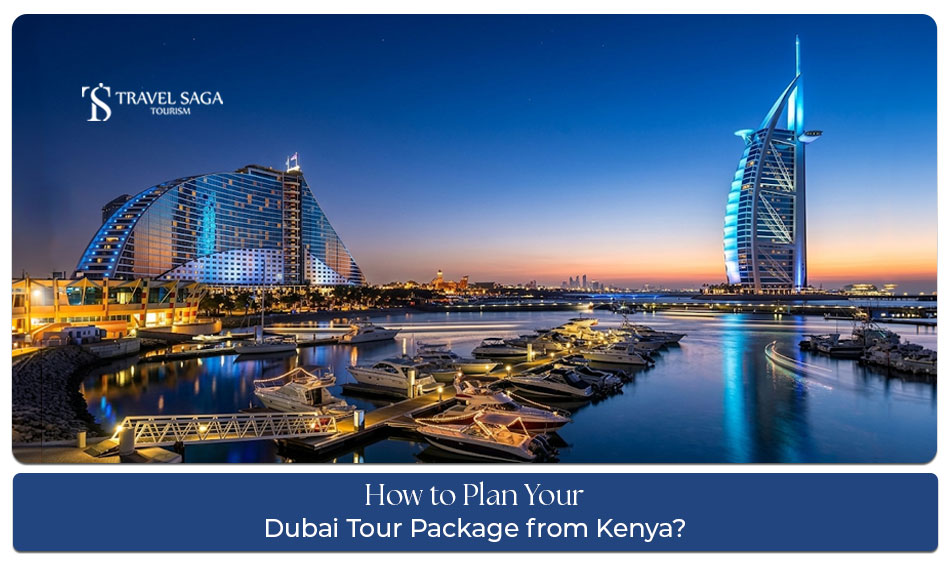
For Kenyan travellers, planning an international holiday often means seeking a destination that offers a stark, exciting contrast to home. While Kenya is globally celebrated for its lush savannahs, rich wildlife, and breathtaking natural landscapes, Dubai presents a futuristic oasis of modern architecture, innovative designs, and high-energy urban entertainment. Balancing this dazzling modernity with deep-rooted Arabian culture, the city has become one of the most sought-after holiday destinations for travellers departing from Nairobi and Mombasa.
Planning an international trip requires careful consideration of timing, logistics, budgeting, and itinerary building. This comprehensive guide outlines everything you need to know to seamlessly design and execute the perfect Dubai tour package from Kenya.
Why Choose Dubai for Your Next Holiday?
Dubai provides a refreshing change of pace and environment for Kenyan tourists. The transition from the natural tranquillity of East Africa to the soaring, climate-controlled skyscrapers of the Arabian Peninsula offers a true sense of global exploration.
The city is a global hub for shopping, world-class dining, futuristic architecture, and thrilling amusement parks. It is uniquely structured to cater to every kind of traveller, whether you are planning a family holiday with children, a romantic honeymoon, or a solo adventure. Travellers can also explore curated options such as Dubai holiday packages for honeymoon or Dubai holiday packages for bachelors based on their travel style. Furthermore, its geographical proximity means that a relatively short flight can transport you into a completely different world.
Choosing the Best Time to Visit
While Dubai is a year-round destination, the weather plays a crucial role in shaping your experience.
- The Peak Season (November to March): This is widely considered the best time to book a Dubai holiday package. During these winter months, temperatures range from a pleasant 17°C to 25°C, making it ideal for outdoor sightseeing, walking along waterfront promenades, and exploring the desert.
- The Shoulder and Off-Peak Season (April to October): Summer temperatures can soar above 40°C. However, visiting during this period has distinct advantages for budget-conscious travellers. Hotels offer massive discounts, crowds are thin, and travellers looking for affordability can consider Dubai economic packages while still enjoying the city’s indoor attractions and entertainment.
Essential Pre-Travel Logistics and Visas
Before booking your flights and hotels, certain administrative steps must be taken care of to ensure a hassle-free entry into the United Arab Emirates (UAE).
- Passport Validity: Ensure your passport is valid for at least six months from your planned date of entry into Dubai.
- Applying for the Tourist Visa: Kenyan citizens require a tourist visa to enter Dubai. It is highly recommended to apply for your visa at least 15 working days before your travel date to account for processing times. Applications can easily be processed through authorised travel agencies or online portals, and many travellers prefer arranging their Dubai visit visa alongside their holiday booking.
- Required Documentation: Standard applications typically require a scanned copy of your passport’s bio-data page, passport-sized photographs with a clear white background, confirmed round-trip flight tickets, proof of accommodation (hotel bookings), and comprehensive travel insurance covering your stay.
Flights and Smart Budgeting
Getting to Dubai from Kenya is incredibly convenient. Multiple airlines operate daily flights from Jomo Kenyatta International Airport (NBO) in Nairobi to Dubai International Airport (DXB).
- Flight Options: Direct flights take approximately 5 to 6 hours, offering a quick and comfortable journey. For those looking to optimise their budget, choosing connecting flights with short layovers in regional hubs can significantly lower airfare costs.
- Currency and Finances: The official currency of the UAE is the UAE Dirham (AED). While malls and major establishments universally accept credit and debit cards, carrying some cash is useful for traditional markets (souks) and small vendors.
- Area Selection for Budgeting: Dubai caters to all economic tiers. If you want to manage your expenses, consider staying in historic and vibrant areas like Deira or Bur Dubai. These neighbourhoods offer highly competitive rates for hotels, budget-friendly dining, and authentic cultural experiences, while remaining well-connected to major attractions via the Dubai Metro.
Selecting Where to Stay
Where you stay defines the tone of your holiday. Dubai’s neighbourhoods offer distinct vibes depending on your preferences:
- Downtown Dubai: The pulsing heart of the city. Perfect for travellers who want to be steps away from the Burj Khalifa, the Dubai Mall, and the mesmerising Dubai Fountain. It is energetic and highly luxurious.
- Dubai Marina and Jumeirah Beach Residence (JBR): Ideal for beach lovers and urbanites alike. This area features lively waterfront promenades, skyscrapers lining the marina, trendy outdoor cafes, and direct access to public beaches.
- Palm Jumeirah: The ultimate destination for luxury, high-end resorts, and exclusive beachfront views. It is perfect for honeymooners or those looking to splurge on world-renowned premium hospitality. Travellers seeking elevated stays and premium experiences often choose Dubai luxury packages for this part of their itinerary.
- Deira and Bur Dubai: As mentioned, these older, historic quarters offer a heritage-rich setting along the Dubai Creek. They are fantastic for exploring traditional wind-tower architecture, bustling textile and spice markets, and enjoying a more historic atmosphere at an affordable price.
Building Your Itinerary: Must-Include Attractions
A well-balanced Dubai package spans from 4 to 7 nights, allowing you to sample both the historic charm and the modern grandiosity of the city. Integrate the core experiences into any standard itinerary.
The Iconic Landmarks
No trip to Dubai is complete without visiting the Burj Khalifa, the world’s tallest building. Observation decks on the 124th and 125th floors offer panoramic views of the city skyline blending into the Arabian Gulf. Pair this with a visit to the Dubai Mall, which houses retail outlets, an indoor ice rink, and the massive Dubai Aquarium and Underwater Zoo.
The Desert Safari
A stark contrast to the green national parks of East Africa, the evening Desert safari offers a majestic landscape of rolling golden dunes. An evening desert safari is essential. These excursions typically feature high-adrenaline dune bashing in 4×4 vehicles, camel riding, and traditional henna painting. The evening concludes at a desert camp with a traditional barbecue buffet dinner under the stars, accompanied by live cultural performances like Tanoura dancing.
Dhow and Yacht Cruises
To experience Dubai from the water, book a dinner cruise on a traditional wooden Dhow Cruise Dubai along Dubai Marina or the historic Dubai Creek. Watching the illuminated skyline drift past while enjoying a multi-course dinner is an exceptional way to spend an evening. For a more modern alternative, shared or private sunset yacht rides offer spectacular photo opportunities. Travellers can also browse Dubai tour packages from Kenya to include these experiences in one itinerary.
Enquire - Dubai tour packages from Kenya from TST
Day Trips to Abu Dhabi
If your itinerary allows for 5 or more nights, expanding your tour to include a day trip to the UAE’s capital, Abu Dhabi, adds tremendous value. Located roughly two hours away by road, Abu Dhabi is home to the stunning Sheikh Zayed Grand Mosque, a masterpiece of contemporary Islamic architecture. For thrill-seekers, the capital also hosts Ferrari World, an expansive indoor theme park featuring the world’s fastest roller coaster.
Practical Travel Tips for Kenyan Visitors
- Cultural Respect: While Dubai is highly cosmopolitan, it is rooted in Islamic tradition. Travellers should dress modestly when visiting public places like malls, historic neighbourhoods, and government buildings. When visiting mosques, visitors must cover their knees and shoulders, and women must wear a headscarf.
- Getting Around: The Dubai Metro is fast, clean, ultra-modern, and incredibly cost-effective. Purchasing a reusable ‘NOL card’ allows you to navigate the city’s rail and bus networks effortlessly. Taxis are also widely available, regulated, and metered.
- Packing Essentials: Due to the abundant sunshine, always pack high-SPF sunscreen, sunglasses, a wide-brimmed hat, and comfortable walking shoes. Even in the summer, carrying a light jacket or shawl is advisable, as indoor spaces, malls, and transport systems maintain heavily cooled air conditioning.
- Local Regulations: The official language is Arabic, though English is spoken universally across the tourism sector. The law sets the legal age for alcohol consumption at 21, and licensed venues such as hotel restaurants and lounges strictly serve it.
Conclusion
Planning a vacation from Kenya to Dubai opens up a world where futuristic ambition meets deep cultural heritage. By understanding the seasonal weather shifts, securing your documentation well in advance, selecting the right neighbourhood for your budget, and structuring an itinerary that balances city exploration with desert adventure, you can ensure a flawless holiday experience.
For travellers seeking tailored guidance, comprehensive itineraries, and localised expertise to streamline the entire booking process from accommodation to sightseeing logistics, exploring structured resources like travelsaga.com can provide valuable clarity, helping you transform your travel aspirations into a reality. Get directions to the office.